
 English
 русский
 عربى
عربى Search
What Are the Best Clothes Fabrics for You?
2026-02-24
Content
Every garment begins with a single, crucial decision: the choice of fabric. The right clothes fabrics are the invisible foundation that dictates comfort, performance, appearance, and longevity. Whether you're a designer sourcing materials or a consumer seeking the perfect feel, understanding fabric properties is key. From the breathable cotton of a summer tee to the rugged nylon of a hiking jacket, each textile tells a story of fiber, weave, and finish. This depth of knowledge is what separates ordinary apparel from exceptional wear. As specialists with over two decades in textile manufacturing, we bridge the gap between raw material science and finished product excellence. Operating a family-owned facility with hundreds of looms, we witness daily how fiber selection and precise construction transform yarn into everything from luxurious silks to high-performance outdoor materials. This guide is designed to be your comprehensive resource, delving deep into the questions you're actually searching for, helping you navigate the world of textiles with confidence and expertise.
Choosing Skin-Friendly Fabrics for Ultimate Comfort
For individuals with sensitive skin, the wrong fabric choice can lead to irritation, itching, and discomfort, turning a favorite garment into a source of frustration. The quest for the best fabrics for sensitive skin goes beyond mere softness; it involves understanding fiber source, surface texture, chemical treatments, and breathability. Natural fibers often excel in this category due to their inherent properties, but not all are created equal. The goal is to find materials that allow the skin to breathe, wick moisture away efficiently, and possess a smooth, non-abrasive hand feel. This is a critical consideration not only for everyday wear but especially for undergarments, sleepwear, and children's clothing. In professional manufacturing, this demands rigorous quality control, from sourcing certified, low-irritant yarns to employing gentle dyeing and finishing processes that minimize residual chemicals. It’s a commitment to purity and comfort that begins at the spinning frame.
Why Some Fabrics Irritate Skin
Skin irritation from fabrics can stem from multiple factors. Coarse, rough fibers or abrasive weaves create physical friction against the skin. Synthetic fibers like standard polyester, while durable, are often less breathable, trapping heat and sweat which can clog pores and cause chafing. Furthermore, chemical residues from dyes, formaldehyde-based wrinkle-resistant finishes, or softeners can trigger allergic contact dermatitis. Even some natural fibers, like low-grade wool with its scaly surface, can be prickly. Understanding these triggers is the first step toward making better choices.
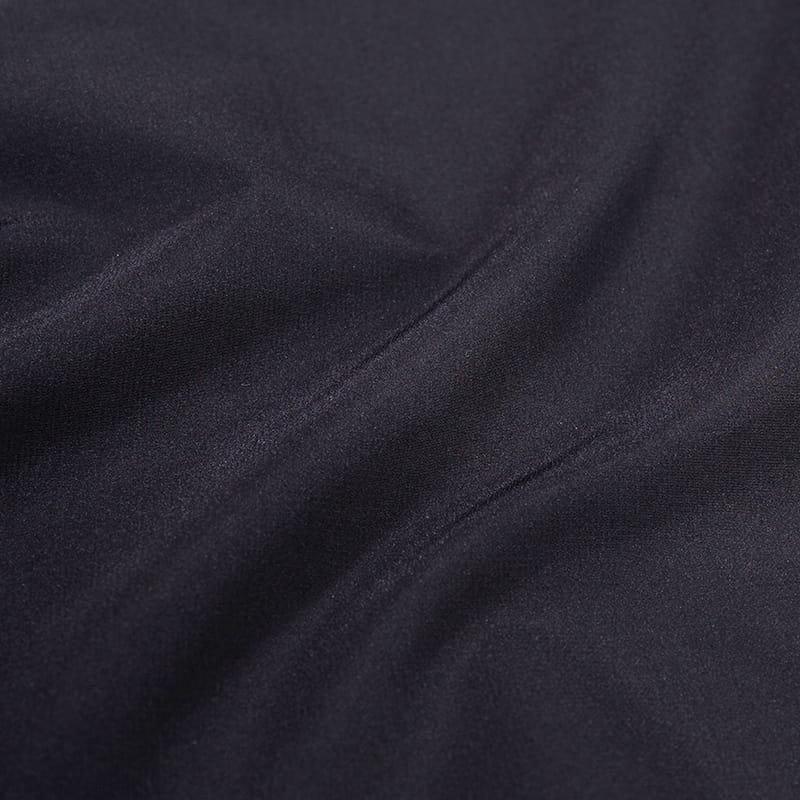
Top Recommended Fabrics for Sensitive Skin
The ideal fabrics for sensitive skin are typically natural, breathable, and processed with care.
- Organic Cotton: Grown without synthetic pesticides, it’s a classic, breathable, and soft option, especially in its combed or ring-spun forms which remove short fibers to create a smoother yarn.
- Bamboo & Modal: These regenerated cellulose fibers are known for their exceptional softness, silky drape, and high moisture-wicking capabilities, making them cool and comfortable against the skin.
- Silk: The ultimate natural luxury, silk is hypoallergenic, temperature-regulating, and boasts a supremely smooth filament that minimizes friction. It requires specialized looms and expertise to weave, representing the higher end of textile craftsmanship.
The fashion industry's environmental impact has made sustainability a paramount concern. A sustainable clothing fabrics list is no longer a niche reference but a essential tool for responsible production and consumption. True sustainability encompasses the entire lifecycle: renewable or recycled resource input, water and energy consumption during production, longevity of the final product, and end-of-life biodegradability or recyclability. For manufacturers, this translates into investing in technologies like water-jet looms that significantly reduce water usage compared to traditional methods, and developing expertise in working with innovative recycled fibers. The shift isn't just about materials; it's about a systemic approach to efficiency and waste reduction within the factory itself, ensuring that eco-friendly claims are backed by verifiable processes from the ground up.
What Makes a Fabric "Sustainable"?
Sustainability is a multi-faceted concept. Key criteria include: the use of recycled materials (giving new life to post-consumer or post-industrial waste); organic cultivation (no GMOs, synthetic pesticides/fertilizers); renewable resource use (like sustainably harvested wood pulp); closed-loop manufacturing (where chemicals and water are recaptured and reused); and overall low carbon, water, and energy footprints throughout production.
A Comprehensive List of Sustainable Fabrics
- Recycled Polyester/Nylon: Made from discarded plastic bottles or fishing nets, this diverts waste from landfills and oceans. It retains the durability and functional properties of virgin synthetics but with a drastically lower environmental impact from the raw material stage.
- Organic & Regenerated Fibers: This includes organic cotton and fibers like Tencel™ Lyocell, made from wood pulp in an efficient closed-loop process that recycles over 99% of the solvent.
- Traditional Low-Impact Fabrics: Linen (from flax) and hemp require minimal water and pesticides to grow and are fully biodegradable.
Fabric Face-Off: Understanding Key Comparisons
Making an informed choice between similar-seeming materials is a cornerstone of textile knowledge. A common and valuable comparison is the difference between linen and cotton. Both are beloved natural fibers, but their characteristics suit different applications. Linen, derived from the flax plant, is celebrated for its incredible strength, distinctive textured slub, and unmatched coolness in hot weather due to its high breathability and rapid moisture-wicking. Cotton, sourced from the cotton plant, is generally softer from the first wear, more insulating, and can be woven into a wider range of weights and finishes, from feather-light voiles to dense canvas. This decision affects not just the wearer's comfort but also the garment's drape, care requirements, and aesthetic. For brands, choosing the right one impacts product positioning, cost, and customer satisfaction.
Linen vs. Cotton: A Detailed Breakdown
The following table highlights the core distinctions to guide your selection:
| Attribute | Linen | Cotton |
| Source | Flax plant stalk | Cotton plant boll |
| Texture & Feel | Crisp, textured, slubby; softens with wash | Generally soft, smooth, and consistent |
| Strength & Durability | Extremely strong, becomes stronger when wet | Strong, but weaker when wet |
| Breathability & Cooling | Exceptionally high, ideal for hot climates | Good, but less than linen |
| Moisture Management | Wicks and dries very quickly | Absorbs well but dries slower |
| Wrinkle Proneness | Wrinkles very easily (considered part of its charm) | Wrinkles, but less than linen; many wrinkle-resistant finishes available |
| Common Uses | Summer suits, shirts, tablecloths, bed linens | T-shirts, denim, dresses, towels, a vast range of apparel |
Become a Fabric Expert: The Tactile Guide
In a world of online shopping, the ability to how to identify fabric type by touch is a valuable, almost lost art. This tactile skill, honed by textile professionals, allows you to assess quality and composition without a label. It involves engaging multiple senses: running the fabric between your fingers to assess texture and smoothness, crumpling it in your hand to listen to the sound and see how it wrinkles, holding it up to check its drape and translucency, and feeling its weight and temperature. A fabric's "hand" – its overall feel – tells a story of its fiber content and construction. For instance, the cool, slightly stiff, and irregular feel of linen is unmistakable against the plush, warm uniformity of cotton fleece. Developing this instinct is fundamental for anyone involved in sourcing or selecting quality garments.
The "Feel" Test: Texture, Weight, and Drape
Begin by gently rubbing the fabric surface. Is it smooth, rough, fuzzy, or silky? Note its weight: is it light and airy or heavy and substantial? Observe how it falls under its own weight (drape); does it hang stiffly or flow fluidly? Natural fibers like wool and silk often feel warm to the touch initially, while linen and rayon feel cooler.
Step-by-Step Guide to Identifying Common Fabrics
- Identifying Natural Fabrics: Cotton is matte, soft, and has little elasticity. Linen feels crisp, cool, and has visible slubs. Wool is warm, elastic, and may feel slightly scratchy. Silk is brilliantly smooth, lustrous, and has a distinct, slight "scroop" sound when crushed.
- Identifying Synthetic Fabrics: Polyester is strong, often smooth or brushed, and can feel slightly plastic-like or too perfect. Nylon is very strong, smooth, and has a characteristic shiny appearance. Rayon/Viscose drapes beautifully, feels cool and silky, but is weaker when wet.
Prioritizing Durability for Workwear and Performance
When clothing is expected to withstand rigorous daily use, abrasion, frequent washing, and harsh environments, fabric selection becomes an engineering decision. Identifying the most durable fabric for work clothes, outdoor gear, or children's items requires a focus on fiber tenacity, weave density, and specialized finishes. Durability isn't just about not tearing; it's about resisting pilling, maintaining color, retaining shape, and withstanding repeated stress at seam points. Industrial and performance fabrics are often engineered at the molecular and construction levels, using high-tenacity yarns and tight weaves like ripstop or complex jacquards. In a manufacturing context, this demands robust machinery capable of handling thick yarns and producing high-tension weaves consistently, ensuring every meter of fabric meets stringent strength specifications.
Requirements for High-Durability Fabrics
Key metrics include high tensile and tear strength, excellent abrasion resistance (measured by Martindale or Wyzenbeek tests), colorfastness to light and washing, and dimensional stability (resistance to shrinking or stretching). The fabric must also be compatible with reinforcing techniques like bar-tacking at stress points.
Top Contenders for the Toughest Fabrics
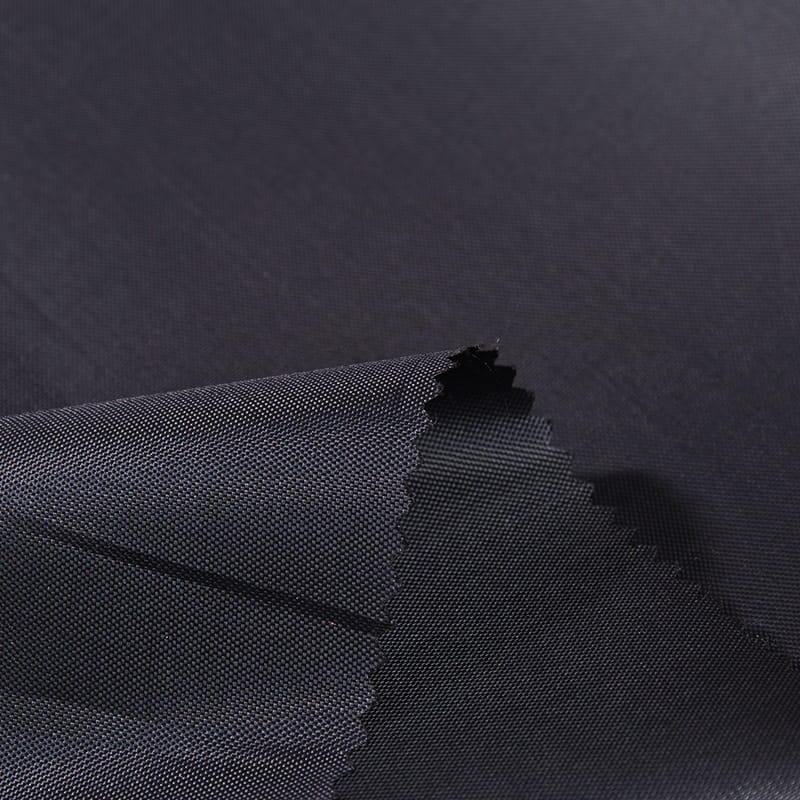
- Cordura Nylon & Ripstop Fabrics: Nylon-based, these are legendary for their exceptional resistance to abrasion, tearing, and scuffs. Ripstop’s grid pattern stops small tears from propagating.
- Heavy-Duty Polyester Blends: High-denier polyester, often blended with cotton for comfort, offers great strength, mildew resistance, and color retention.
- Canvas and Denim: These represent cotton’s durable forms. Made from thick yarns in tight weaves (like plain or twill), they are sturdy and become more comfortable with wear.
FAQ
What is the most breathable fabric for hot weather?
For extreme heat and humidity, linen is often considered the most breathable fabric due to its hollow fibers and loose weave, which facilitate maximum air circulation and rapid moisture evaporation. Following closely are lightweight cotton (like seersucker or voile) and certain rayon blends. It's crucial to distinguish between breathability (airflow) and moisture-wicking; some synthetics wick well but may not breathe as freely as these natural fibers.
Is polyester a good fabric? What are its pros and cons?
Polyester is an excellent fabric for specific purposes, defined by its trade-offs. Its major pros include exceptional durability, wrinkle resistance, shape retention, quick drying, and affordability. It is also the primary base for recycled fabrics. The main cons are its lower breathability compared to natural fibers (it can trap heat) and its environmental impact when derived from virgin petroleum. The perception of polyester is evolving with advancements in micro-engineering and recycling.
How can I tell if a fabric is high quality?
High-quality fabric reveals itself through several tactile and visual cues. First, examine the weave: it should be even and consistent, with no obvious thin spots or slubs (unless intentional). Check the density by holding it up to light; a tighter weave lets less light through. Feel the hand: it should feel substantial and pleasant, not flimsy or chemically stiff. For knits, check recovery by stretching it slightly; it should spring back. Finally, look at the finish: pilling on the surface after a rub test can indicate shorter, weaker fibers.
What's the difference between natural and synthetic fabrics?
The core difference lies in their origin. Natural fabrics (cotton, linen, wool, silk) are derived from plants or animals. They are generally more breathable, biodegradable, and have variable textures. Synthetic fabrics (polyester, nylon, acrylic) are man-made from polymer chemicals. They offer superior consistency, durability, functional properties (water resistance, elasticity), and often lower cost. The choice depends on the desired balance of comfort, performance, and sustainability.
What fabric is best for moisture-wicking in activewear?
Modern activewear relies on engineered synthetics for superior moisture-wicking. High-performance polyester and nylon are treated or micro-engineered with capillary channels to pull sweat away from the skin to the fabric's surface for rapid evaporation. Merino wool is a notable natural alternative that wicks effectively and resists odor. The best choice often involves a blend that combines wicking synthetics with a small percentage of natural fibers for skin comfort.
Copyright © Jiaxing City Zhouye Textile Co., Ltd. All Rights Reserved.
Custom Jacquard Luggage Fabrics Suppliers
