
 English
 русский
 عربى
عربى Search
Which Clothes Fabrics Suit Your Needs?
2026-03-05
Content
Selecting Fabrics for Specific Climates
Choosing the right material is the most critical step in garment production. The interaction between the fiber structure and the environment determines the comfort of the final product. Engineers and designers must analyze breathability, moisture management, and thermal resistance when selecting Clothes Fabrics.
Benefits of Breathable Cotton Fabric for Summer
Breathable cotton fabric for summer remains the industry standard for high-temperature apparel. The natural cellulose fiber creates a capillary action that effectively pulls moisture away from the skin. This process, known as wicking, allows sweat to evaporate quickly into the air. Technically, cotton fibers have a natural twist and a hollow structure, which traps air and provides thermal regulation. For summer collections, plain weaves are often preferred over twill weaves because they create a more open structure for air circulation. This reduces the risk of heat rash and improves overall wearer comfort.
| Feature | Plain Weave Cotton | Twill Weave Cotton |
| Air Permeability | High (Optimal for cooling) | Medium (Denser structure) |
| Moisture Wicking | Rapid evaporation | Slower absorption |
| Weight | Lightweight | Heavier |
| Best Use Case | Summer t-shirts, shirts | Pants, jackets |
Versatile Types of Fabric for Dresses
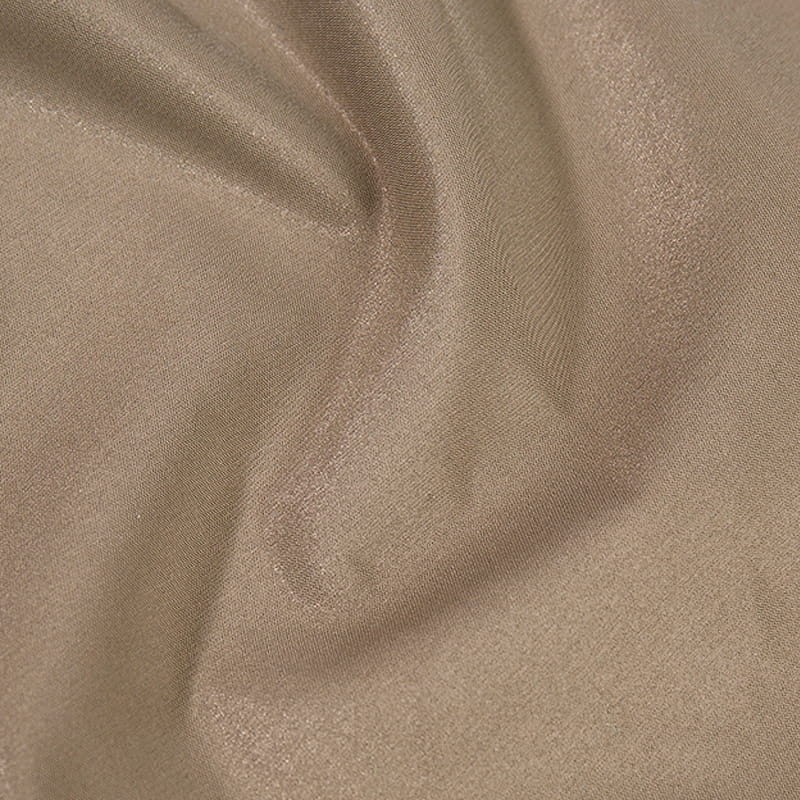
When designing women's apparel, understanding the types of fabric for dresses is essential for achieving the correct drape and silhouette. The weight and stiffness of the material dictate how the garment hangs on the body. For flowing, elegant designs, fabrics with high fluidity like silk or viscose are preferred. For structured dresses, materials with higher rigidity like taffeta or heavy polyester are necessary. Engineers must consider the shear modulus of the fabric to prevent distortion during wear.
| Fabric Type | Drape Characteristic | Structure |
| Silk / Satin | High fluidity, soft fall | Fluid, follows body contours |
| Cotton Poplin | Medium drape, slight crispness | Structured, holds shape |
| Chiffon | Very high drape, sheer | Light, flowing layers |
Innovation and Sustainability in Textiles
The textile industry is shifting towards eco-friendly solutions without compromising performance. Manufacturers are now investing in technologies that reduce water usage and chemical waste.
The Rise of Sustainable Clothing Materials
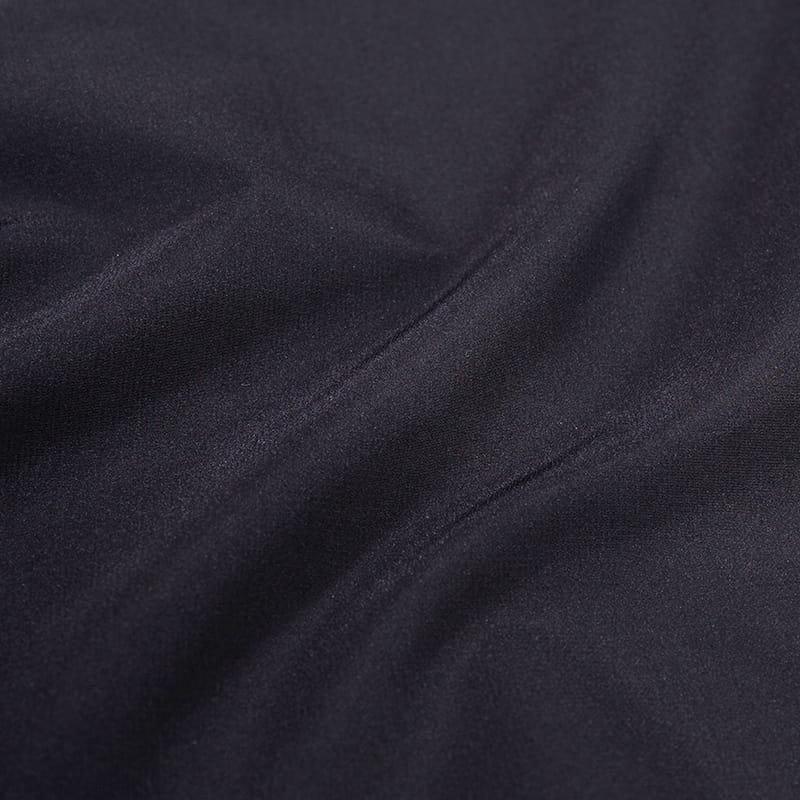
Sustainable clothing materials are no longer a niche market but a requirement for modern B2B procurement. These materials include organic cotton, recycled polyester (rPET), and lyocell. Recycled polyester significantly reduces the dependency on petroleum as a raw material source. It also diverts plastic waste from landfills. Lyocell, made from wood pulp, uses a closed-loop solvent spinning process that recovers over 99% of the solvent. Using these materials helps brands meet international environmental standards and appeals to conscious consumers.
High-Performance Fabric for Sportswear
Athletic apparel requires advanced engineering to handle intense physical activity. Fabric for sportswear typically utilizes synthetic fibers like polyester and nylon with specific cross-sectional shapes. These shapes enhance the surface area for faster moisture evaporation. Many performance fabrics also integrate spandex for four-way stretch, allowing unrestricted movement. Furthermore, anti-microbial treatments are often applied during the finishing stage to inhibit the growth of odor-causing bacteria. This maintains hygiene during prolonged workouts.
| Performance Metric | Standard Polyester | Performance Sportswear Fabric |
| Stretch | Low to none | High (4-way stretch) |
| Moisture Management | Basic hydrophobic | Engineered wicking |
| Breathability | Standard | Enhanced mesh zones |
Sourcing and Manufacturing Excellence
Access to high-quality materials depends on the capabilities of the manufacturer. A robust supply chain ensures consistent quality and timely delivery.
Finding Reliable Wholesale Clothing Fabric Suppliers
Identifying dependable wholesale clothing fabric suppliers is vital for brands looking to scale production. Large-scale production requires consistency in dye lots and physical properties. Suppliers with in-house weaving and twisting capabilities offer better control over lead times and quality. It is also beneficial to partner with manufacturers who offer OEM and ODM services. This allows for custom development of textures, patterns, and functional finishes tailored to specific product lines.
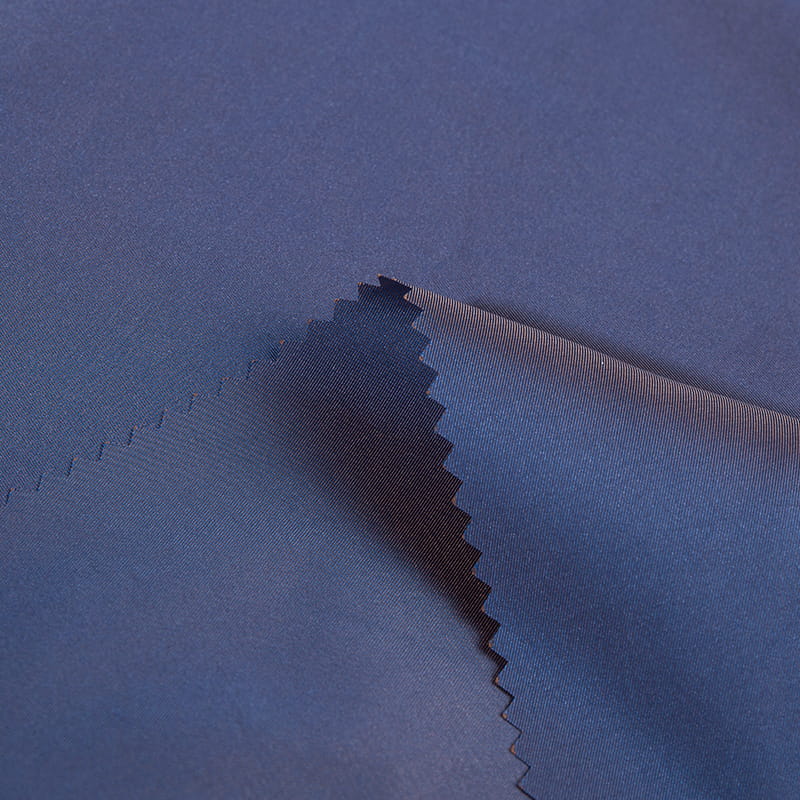
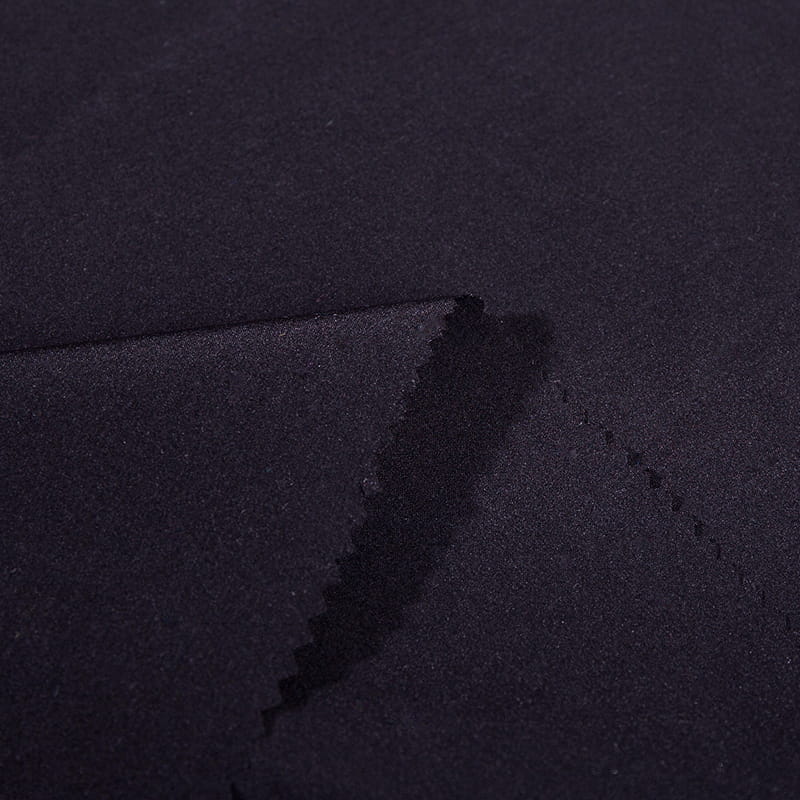
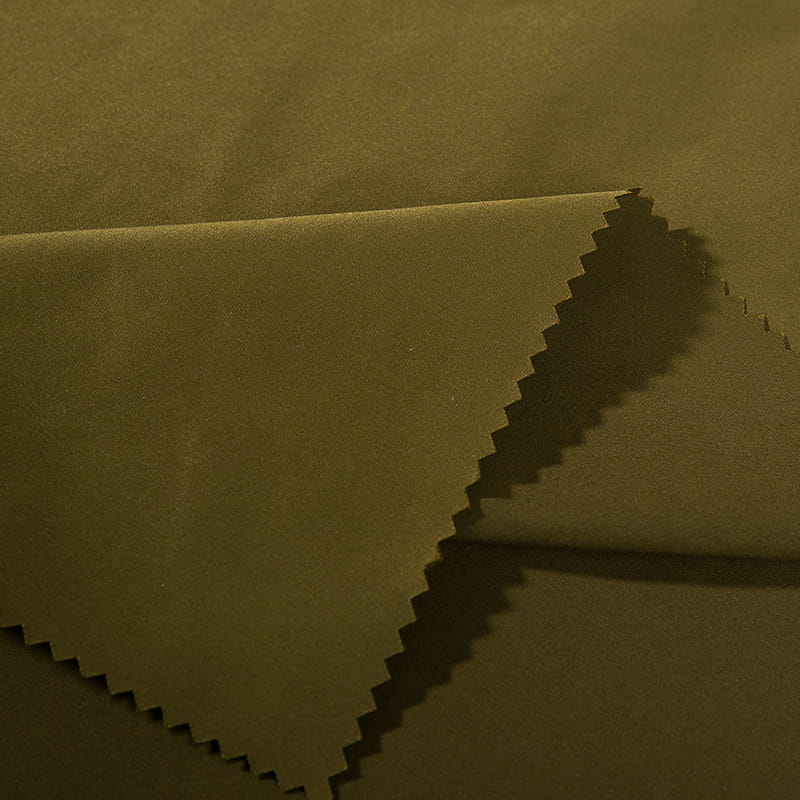
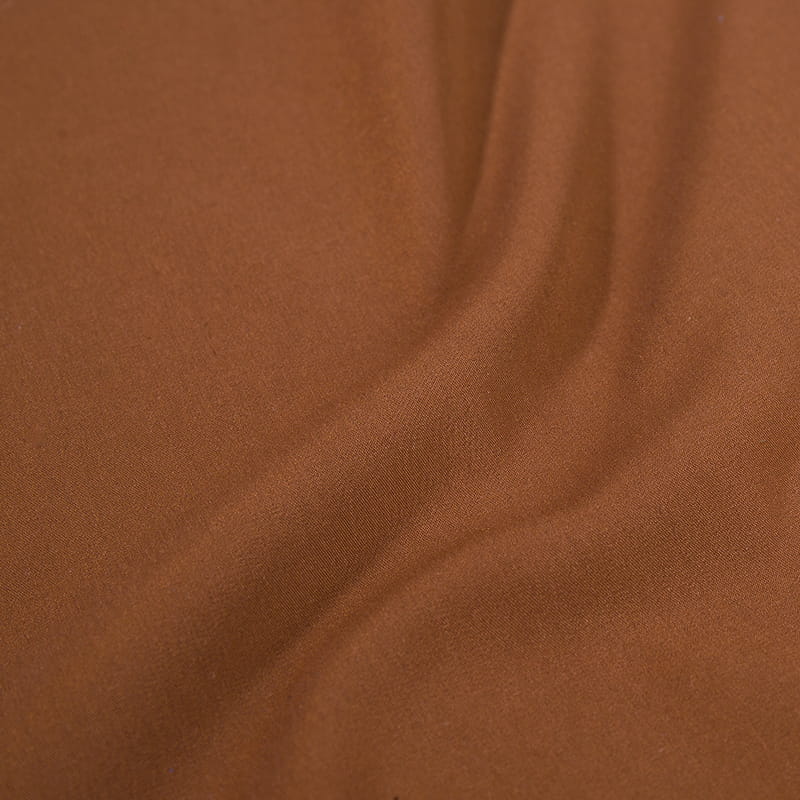
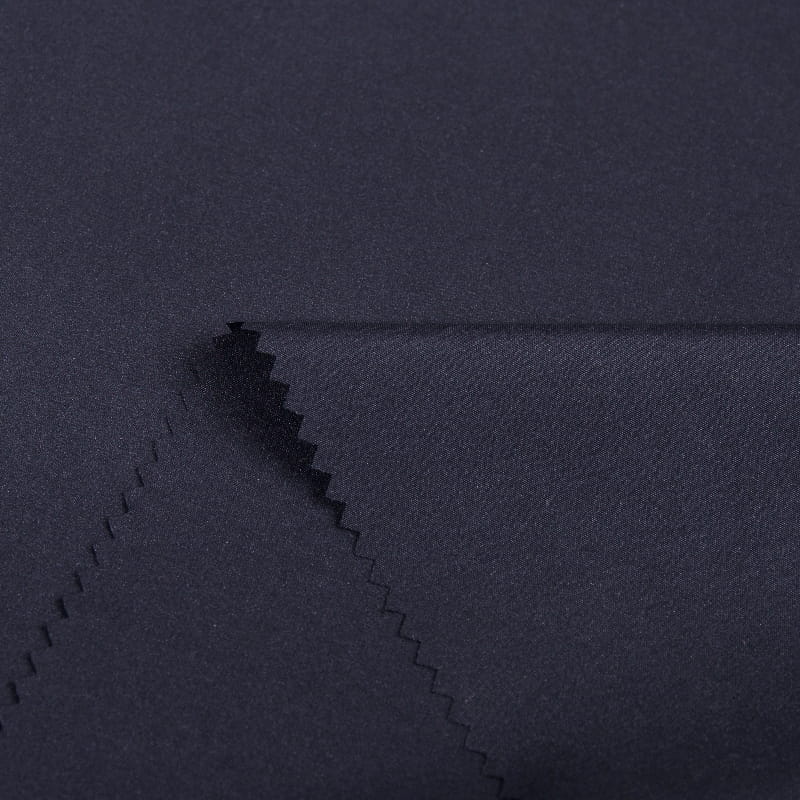
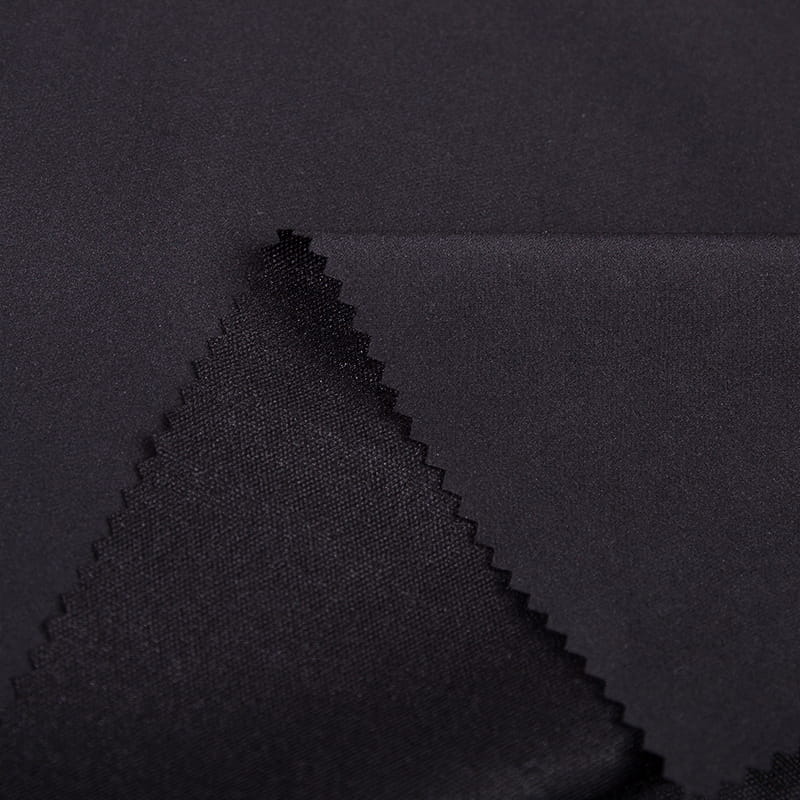
We are China OEM/ODM Clothes Fabrics Manufacturers and Custom Clothes Fabrics Exporters. As a family-owned plant operating for over 20 years, our company is primarily focused on the production of Clothes Fabrics Factory, polyester nylon fabrics and linings for outdoor functional clothing lines, women's silk lines, jacquard luggage fabrics, and outdoor goods. We now have 300 self-owned water jet looms and 100 matching twisters. At the same time, we also accept custom orders from foreign customers. Welcome to visit our factory in China.
Conclusion
The choice of Clothes Fabrics defines the success of any garment line. From the cooling properties of breathable cotton fabric for summer to the technical precision of fabric for sportswear, each material serves a distinct purpose. By partnering with experienced manufacturers, brands can ensure they deliver high-quality, sustainable, and functional products to the market.
Frequently Asked Questions (FAQ)
- Why is breathable cotton fabric for summer preferred over synthetics?
Breathable cotton fabric for summer is preferred because it absorbs moisture naturally and allows air to circulate freely. Synthetics often trap heat, making them less comfortable in extreme heat without special engineering.
- What are the key features of fabric for sportswear?
Fabric for sportswear must feature moisture-wicking capabilities, four-way stretch, and durability. It often uses specialized synthetic fibers to keep the athlete dry and comfortable during movement.
- How do sustainable clothing materials benefit the supply chain?
Sustainable clothing materials reduce the environmental footprint of production. They often utilize recycled inputs or closed-loop processes, which appeal to eco-conscious buyers and comply with international regulations.
- What should I look for in wholesale clothing fabric suppliers?
When choosing wholesale clothing fabric suppliers, you should look for production capacity, consistent quality control, and the ability to provide technical data sheets. A factory with self-owned looms offers better stability.
- Can I get custom textures for types of fabric for dresses?
Yes, many manufacturers offer custom weaving services. This allows designers to specify unique textures and patterns for various types of fabric for dresses, ensuring their collection stands out in the market.
References
- Kadolph, S. J. (2014). Textiles (11th ed.). Pearson.
- Collier, B. J., & Tortora, P. G. (2001). Understanding Textiles (6th ed.). Prentice Hall.
- Hatch, K. L. (1993). Textile Science. West Publishing Company.
- Textile Institute. (2018). Textile Terms and Definitions. The Textile Institute.

Copyright © Jiaxing City Zhouye Textile Co., Ltd. All Rights Reserved.
Custom Jacquard Luggage Fabrics Suppliers
