
 English
 русский
 عربى
عربى Search
What Are the Most Critical Factors When Selecting Clothes Fabrics for Bulk Orders?
2026-04-02
Content
Selecting the right Clothes Fabrics is a foundational decision for any apparel business. For B2B buyers, procurement managers, and production engineers, the choice goes beyond color and feel. It directly impacts production efficiency, cost structure, and final product quality. This guide explores the technical specifications and real-world performance metrics that should drive your sourcing strategy.
Understanding the Technical Landscape of Textile Sourcing
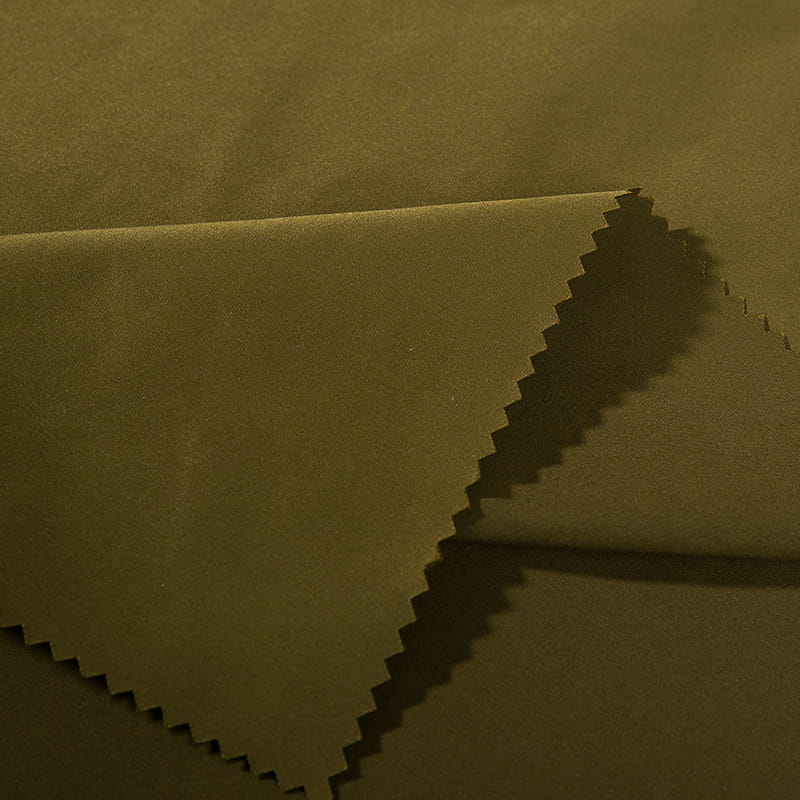
The modern textile market offers a vast array of options. For businesses involved in bulk purchasing, understanding the nuances between different weaves, fiber compositions, and finishing processes is essential. The goal is to match the fabric's inherent properties with the garment's intended end-use. This requires an engineer's approach to material science, not just a designer's eye for aesthetics.
Key Performance Indicators for Bulk Fabric Evaluation
When evaluating suppliers, B2B buyers must move past surface-level attributes. Focus on quantifiable metrics that ensure consistency and performance across large production runs. These indicators serve as the basis for quality control and long-term supplier relationships.
- Tensile Strength and Tear Resistance: Measured in pounds per square inch (psi), this determines durability during cutting, sewing, and end-use wear.
- Shrinkage Rate: A critical metric, often expressed as a percentage. Industrial laundry tests (e.g., AATCC 135) provide data on how fabric behaves after multiple wash cycles.
- Colorfastness: Rated on a scale (e.g., 1-5), this indicates resistance to fading from light, washing, and perspiration. A rating of 4 or 5 is standard for commercial-grade materials.
- Fabric Weight: Expressed in GSM (grams per square meter), this dictates drape, thickness, and suitability for specific garment types.
For bulk orders, verifying these metrics through third-party lab reports or in-house testing is a non-negotiable step. This is especially true when sourcing Clothes Fabrics for high-volume, consistent product lines like uniforms or activewear.
Exploring High-Value Long-Tail Opportunities
Niche markets often yield higher margins and more stable demand. Focusing on specific categories allows a business to become a specialist, commanding better terms and expertise. Three specific areas represent significant opportunities for B2B fabric buyers.
sustainable wholesale fabric suppliers
The demand for eco-friendly materials is no longer a trend but a standard requirement for many brands. Sustainable wholesale fabric suppliers provide materials with certifications like GOTS (Global Organic Textile Standard) or OEKO-TEX Standard 100. These certifications verify that the textile is free from harmful substances and produced under environmentally responsible conditions. For a buyer, partnering with a certified supplier reduces compliance risk and meets the growing regulatory demands in markets like the EU.
moisture-wicking fabric for sportswear bulk
Performance apparel requires engineered solutions. Moisture-wicking fabric for sportswear bulk involves understanding capillary action. These fabrics, often made from polyester or nylon with specialized knit structures, move perspiration from the skin to the fabric's surface, where it evaporates. Key metrics for these fabrics include air permeability (measured in CFM) and drying time. A supplier should be able to provide data on these parameters to validate their product's claims.
high tensile strength cotton for workwear
Durability is the primary concern for workwear and industrial apparel. High-tensile-strength cotton for workwear often utilizes a heavier weight (e.g., 8 oz to 12 oz GSM) and a robust weave, like a twill or canvas. The focus is on resistance to abrasion and tearing. For these applications, blended fabrics, such as cotton-polyester blends, can offer a balance of comfort and significantly improved tensile strength over 100% cotton, reducing the total cost of ownership for the end-user.
Comparative Analysis of Fabric Types for B2B Orders
To make an informed decision, comparing fabric categories based on standardized industrial criteria is essential. The following analysis provides a structured overview. The information below outlines the typical differences between natural and synthetic fibers used in commercial applications.
Comparison of Industrial Fabric Properties: When selecting Clothes Fabrics for bulk production, the choice between natural and synthetic fibers involves trade-offs in cost, durability, and care requirements. Cotton offers excellent comfort and printability but has higher shrinkage. Polyester provides superior durability and moisture management,t but can have different hand-feel properties. Blends often aim to capture the advantages of both.
Here is a comparative table based on standard industrial metrics:
| Property | 100% Cotton (e.g., for basics) | Polyester (e.g., for activewear) | Cotton-Polyester Blend (e.g., for workwear) |
|---|---|---|---|
| Typical Tensile Strength (Warp) | 40-60 lbs | 80-100+ lbs | 60-80 lbs |
| Shrinkage (After 5 washes) | 3-5% | 1-2% | 2-3% |
| Moisture Absorption | High | Low (Hydrophobic) | Moderate |
| Abrasion Resistance | Moderate | High | High |
| Relative Cost per Unit | Baseline | +10-20% | +5-15% |
This data illustrates that the optimal choice depends entirely on the garment's application. A production manager for a line of premium t-shirts may prioritize the feel of a high-GSM cotton, while one responsible for performance athletic wear will focus on the durability and moisture-wicking properties of synthetics. Understanding these technical trade-offs is the core of professional fabric sourcing.
Engineering Quality Assurance in the Supply Chain
For B2B buyers, quality assurance (QA) is an end-to-end process. It begins at the mill and continues through the production line. Implementing a robust QA protocol mitigates risk and ensures final product consistency.
Pre-Production Verification
Before committing to a full order, buyers should request a "bulk strike-off" or a "hand-loop." This is a sample cut from the actual production roll intended for the order. This step confirms that the color, weight, and finish meet the approved specifications. This is a critical control point when sourcing any Clothes Fabrics for a large-scale project.
In-Process and Final Inspection
During production, inspection standards like the 4-point system are industry benchmarks. This system assigns penalty points for defects based on size and severity. An acceptable quality limit (AQL) of 2.5 or 1.5 is a common standard for apparel fabrics. This ensures that the final shipment is free from weaving errors, color variation, or finishing flaws that could disrupt cutting and sewing operations.
Frequently Asked Questions (FAQ)
Q1: What is the standard minimum order quantity (MOQ) for wholesale clothes fabrics from a reliable supplier?
A: MOQs vary significantly based on the fabric type and supplier. For commodity fabrics like basic cotton sheeting or poly-cotton blends, MOQs typically start around 1,000 to 3,000 yards per color. For specialty items like custom-woven or sustainable fabrics, MOQs can be lower, often 500 yards, but at a higher cost per unit. It is standard practice for suppliers to offer a "sampling yardage" of 5-20 yards for testing before a bulk order is placed.
Q2: How can I verify the sustainability claims of a fabric supplier?
A: Verification requires asking for and reviewing third-party certifications, not just marketing materials. Key certifications include Global Organic Textile Standard (GOTS) for organic fibers, OEKO-TEX Standard 100 for chemical safety, and the Recycled Claim Standard (RCS) or Global Recycled Standard (GRS) for recycled materials. Alegitimatea, te sustainable wholesale fabric supplier will provide these certificates with their transaction documents and will have a traceable supply chain for their raw materials.
Q3: What does "fabric finish" mean, and why is it important for bulk orders?
A: Fabric finish refers to any chemical or mechanical process applied to the greige (unfinished) fabric. This includes treatments for wrinkle resistance, water repellency, flame retardancy, or for creating a specific texture like a "peach skin" feel. For B2B orders, the finish is critical because it dictates the final performance and care instructions. It is vital to specify the desired finish and ensure it is applied consistently, as it can significantly impact the fabric's weight, drape, and durability.
Q4: What are the key differences between knit and woven fabrics from a manufacturing standpoint?
A: From a manufacturing engineering perspective, the difference is fundamental. Knits are constructed from interlocking loops, giving them inherent stretch and making them ideal for T-shirts, activewear, and undergarments. They require different sewing machine types (e.g., overlock machines) and handling during cutting to prevent distortion. Wovens, constructed from interlaced warp and weft yarns, have greater stability and are used for shirts, trousers, and structured outerwear. The choice directly dictates the pattern-making, cutting, and assembly techniques used in your production facility.
References
- AATCC Technical Manual. (2023). American Association of Textile Chemists and Colorists.
- ASTM International. (2022). Standard Test Methods for Tensile Strength of Textile Fabrics (ASTM D5034).
- Textile Exchange. (2023). Preferred Fiber and Materials Market Report.
- International Organization for Standardization. (2021). ISO 105-B02: Textiles - Tests for colour fastness - Part B02: Colour fastness to artificial light.
- Industrial Fabrics Association International (IFAI). (2022). Fabric Testing and Quality Control Guidelines.
- OEKO-TEX. (2023). Standard 100 Certification Requirements.
Copyright © Jiaxing City Zhouye Textile Co., Ltd. All Rights Reserved.
Custom Jacquard Luggage Fabrics Suppliers
