
 English
 русский
 عربى
عربى Search
What Makes 190T Polyester Pongee Ideal for Linings?
2026-04-08
Content
Textile engineers and sourcing professionals constantly evaluate fabric specifications to meet specific performance standards. Among the various options available, 190T polyester pongee stands out as a highly versatile substrate. This fabric balances structural integrity, weight efficiency, and cost-effectiveness. Buyers need to understand its technical parameters to make informed procurement decisions.
Understanding the Technical Specifications
What Does the Thread Count Mean?
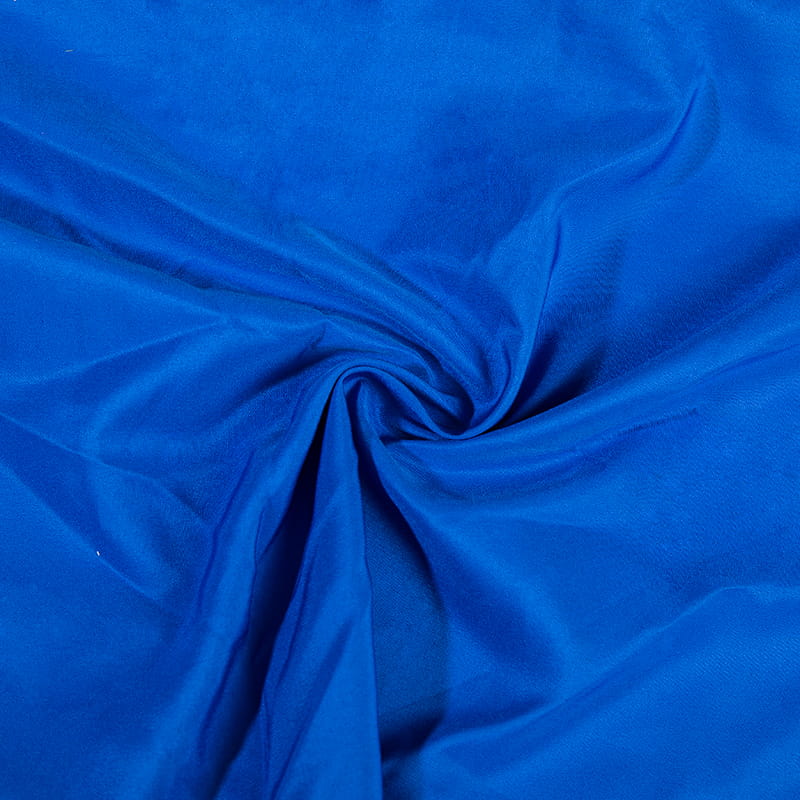
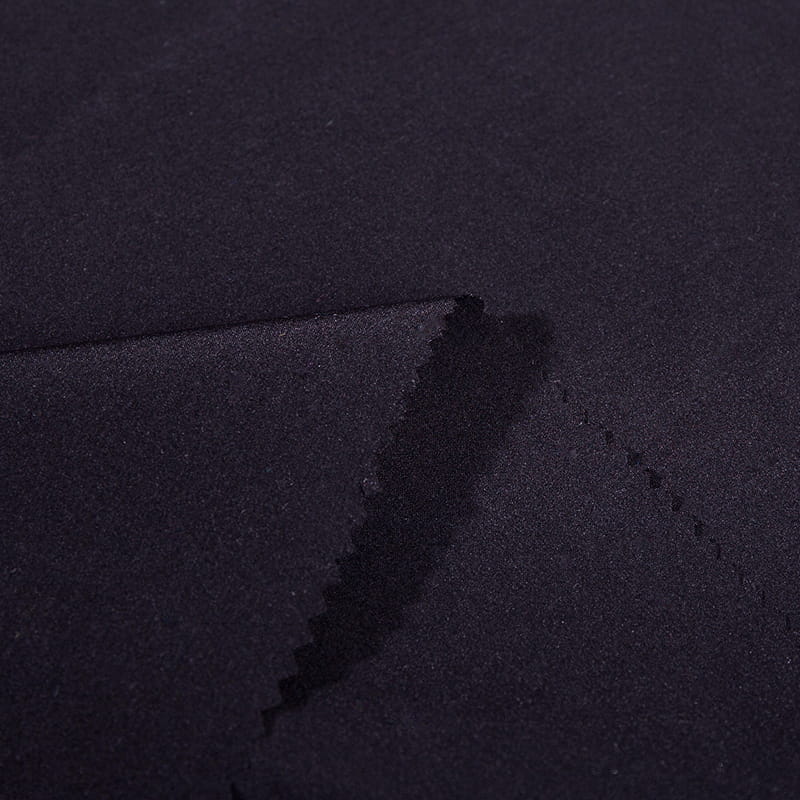
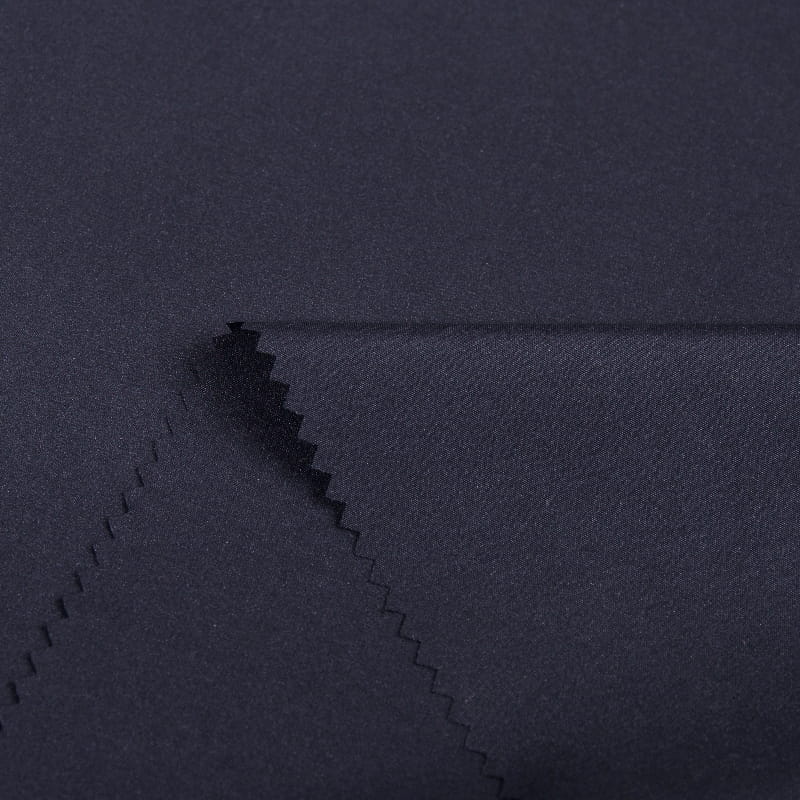
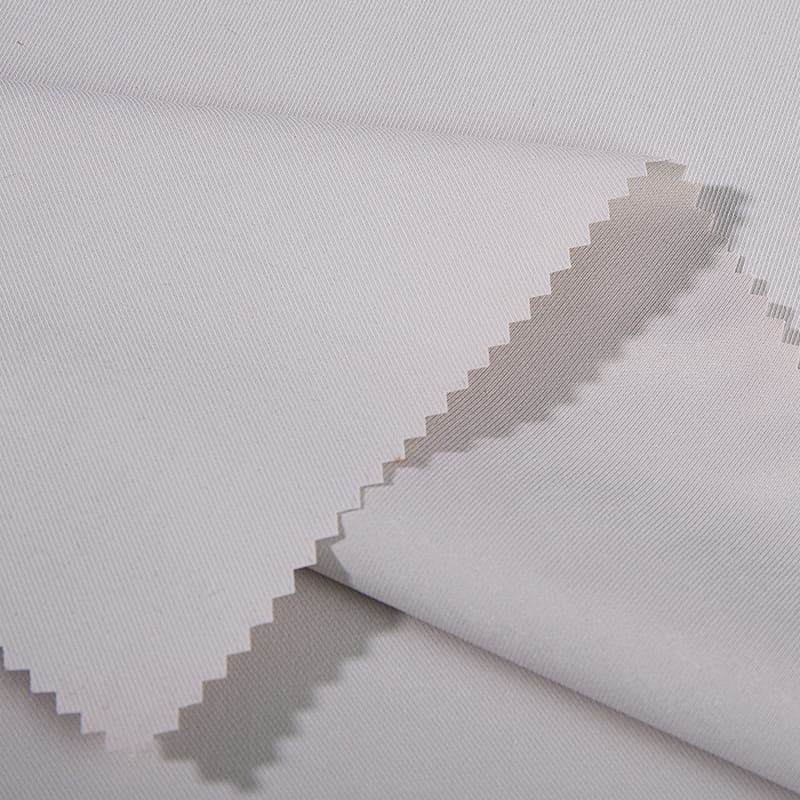
The "190T" designation refers directly to the thread count of the woven fabric. Specifically, it indicates the total number of vertical (warp) and horizontal (weft) threads contained within a single square inch of material. A standard 190T polyester pongee typically features a construction of 190 threads per square inch. Engineers consider this specific density to be the optimal threshold. It provides enough yarn mass to resist tearing under stress, yet it remains lightweight enough for comfortable garment construction. Weavers achieve this count using fine denier filaments, which creates a tight, uniform surface structure.
The Role of Pongee Weave Structure
Pongee is fundamentally a plain weave fabric. In this structure, the weft thread passes alternately over and under each warp thread. This simple 1x1 interlocking mechanism creates a highly balanced and stable textile. The plain weave minimizes yarn slippage and maximizes the fabric's tensile strength in both directions. For manufacturers, this means the material handles well during high-speed cutting and sewing processes without distorting.
Common Applications in Manufacturing
Primary Uses for 190T Polyester Pongee Fabric
Sourcing managers distribute this material across several major product categories. The 190T polyester pongee fabric serves as the backbone for many lightweight textile goods.
- Jacket and coat linings due to its smooth surface that reduces friction against outer shells
- Lightweight windbreakers and windcheaters where air permeability must be minimized
- Umbrella canopies because the tight plain weave naturally repels light water penetration
- Sleeping bag linings where thermal efficiency and low weight are critical
- Down-proof bedding components that prevent feather migration
Performance Characteristics
Weight and Thickness Parameters
Procurement teams often ask about the physical dimensions of this material. A standard uncoated variant generally weighs between 55 and 65 grams per square meter (GSM). The thickness usually measures around 0.12 millimeters. This lightweight profile makes it exceptionally suitable for lightweight 190T polyester pongee for jacket lining applications. The low bulk ensures that the final garment does not feel heavy or restrictive, while still providing a reliable barrier against internal seam roughness and external cold air.
Moisture and Air Permeability
Uncoated pongee exhibits relatively high air permeability. Airflow rates typically range from 30 to 50 cubic feet per minute (CFM). While this is acceptable for standard linings, many outerwear applications require a moisture barrier. To address this, finishers apply polymer coatings to alter the physical properties of the substrate.
Coating and Finishing Variations
How PU Coating Modifies the Substrate
Polyurethane (PU) coating is the most common aftermarket treatment for this textile. When buyers evaluate 190T polyester pongee with PU coating, they look at several enhanced performance metrics. The liquid polymer fills the microscopic voids between the woven yarns. This process drastically reduces air permeability to near zero and adds a hydrostatic head resistance of approximately 1000 to 3000 millimeters, depending on the coating weight. The PU layer also increases the overall tensile strength and prevents fraying at cut edges.
Comparing Uncoated and Coated Variants
Material selectors must weigh the benefits of raw fabric against finished textiles. The choice between uncoated and coated versions depends entirely on the end-use environment. Uncoated material offers maximum breathability and a softer hand feel. Coated material sacrifices breathability to gain waterproofing and enhanced durability.
| Parameter | Uncoated Variant | PU Coated Variant |
| Weight (GSM) | 55 - 65 | 70 - 85 |
| Water Resistance | Low (Water Repellent) | High (1000 - 3000mm) |
| Air Permeability (CFM) | 30 - 50 | 0 - 5 |
| Hand Feel | Soft and crisp | Slightly stiff and smooth |
| Primary Application | Inner linings, basic covers | Umbrellas, windbreakers, bags |
Wholesale Procurement Considerations
Quality Control in Bulk Production
Ordering textiles in large volumes requires strict adherence to quality assurance protocols. When purchasing wholesale 190T polyester pongee, buyers must implement rigorous incoming inspection procedures. Defects such as uneven dye lots, missed picks (where a weft thread is absent), or inconsistent coating weight can ruin entire production runs. Quality control teams typically utilize four-point inspection systems to grade rolled fabric before it enters the cutting room. They also test for colorfastness to rubbing and washing to ensure the textile meets international garment manufacturing standards.
Evaluating Supplier Capabilities
Reliable supply chains depend on mill capabilities. Engineers must verify that the manufacturer utilizes high-quality polyester filament yarns with consistent tenacity. Lower-grade yarns lead to pilling, reduced tear strength, and poor dye absorption. Professional buyers always request test reports from certified third-party laboratories to verify the exact GSM, thread count, and tear strength before finalizing bulk orders.
Frequently Asked Questions
What is the difference between 190T and 210T polyester pongee?
The difference lies in the thread count. A 210T fabric contains 210 threads per square inch, making it denser, slightly heavier, and more durable than 190T. However, 190T offers better cost efficiency and is sufficiently durable for most standard lining applications.
Can 190T polyester pongee be dyed in custom colors?
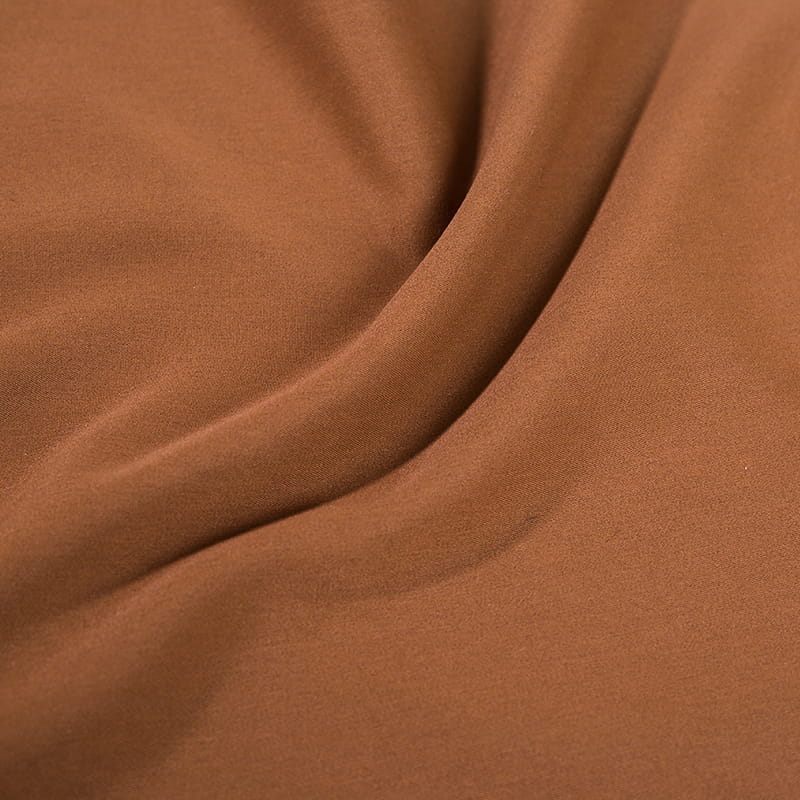
Yes, textile mills commonly offer piece-dyeing services for this material. Polyester requires disperse dyes and high-temperature dyeing machinery (around 130 degrees Celsius) to achieve proper color penetration and fastness.
Is PU coated pongee waterproof?
PU coated pongee is highly water-resistant and can be considered waterproof for everyday applications like umbrellas and light rain jackets. However, the waterproof rating depends on the hydrostatic head test result, which is determined by the thickness of the applied coating.
How do you calculate the required yardage for jacket linings?
Calculating yardage requires the total pattern area, fabric width (usually 57/58 inches for pongee), and a waste allowance (typically 3 to 5 percent). Engineers divide the total pattern area by the usable fabric width and add the waste factor to determine the final yardage needed.
References
- Textile Institute. (2021). Textile Terms and Definitions (14th ed.). Woodhead Publishing.
- Clothing Technology and Manufacturers Association. (2020). Standard Test Methods for Textile Fabrics.
- Hatch, K. L. (1993). Textile Science. West Publishing Company.
- International Trade Centre. (2022). Sourcing Textile Raw Materials: Technical Guidelines.
- American Association of Textile Chemists and Colorists. (2019). AATCC Technical Manual.
Copyright © Jiaxing City Zhouye Textile Co., Ltd. All Rights Reserved.
Custom Jacquard Luggage Fabrics Suppliers
