
 English
 русский
 عربى
عربى Search
What Makes Taffeta Fabric Essential for Fashion and Industry?
2026-04-15
Content
Introduction to Taffeta Fabric
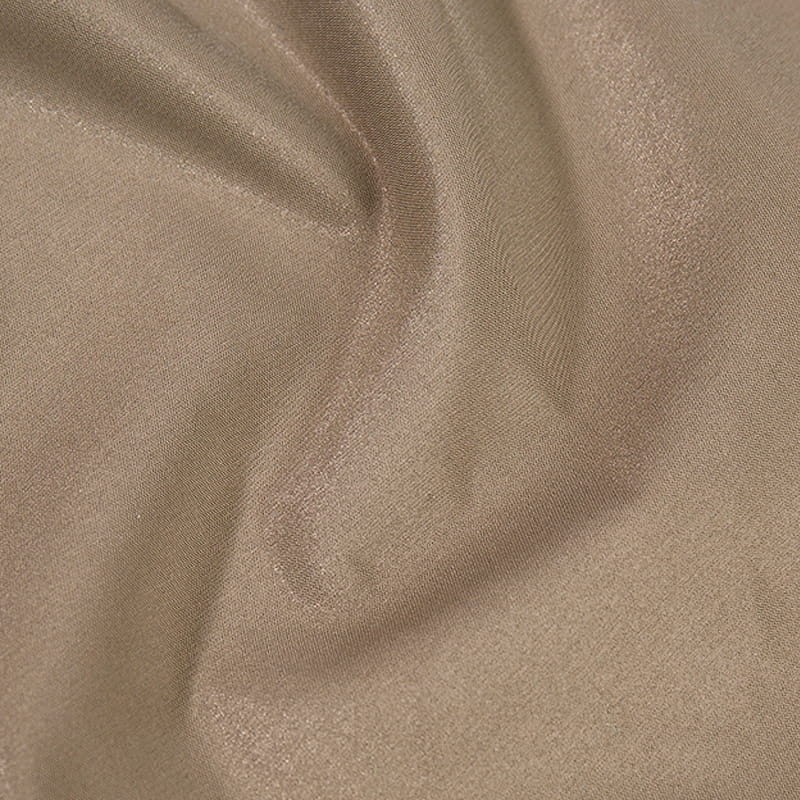
Taffeta fabric is a crisp, smooth woven material that has been prized for centuries for its lustrous finish and durability. Originally made from silk, modern taffeta fabric can also be woven from synthetic fibers like polyester. Designers and manufacturers value it for its versatility in garments, home décor, and industrial applications.
This fabric is commonly used for formal wear, linings, and decorative purposes because it holds shape well and provides a premium aesthetic. Understanding its properties is essential for both fashion designers and B2B fabric purchasers.
Types of Taffeta Fabric
Silk Taffeta Fabric
Silk taffeta fabric is luxurious, lightweight, and naturally shiny. It is ideal for high-end wedding dresses, evening gowns, and accessories where appearance and drape are critical. Silk variants are more expensive due to raw material cost and labor-intensive weaving.
Polyester Taffeta Fabric
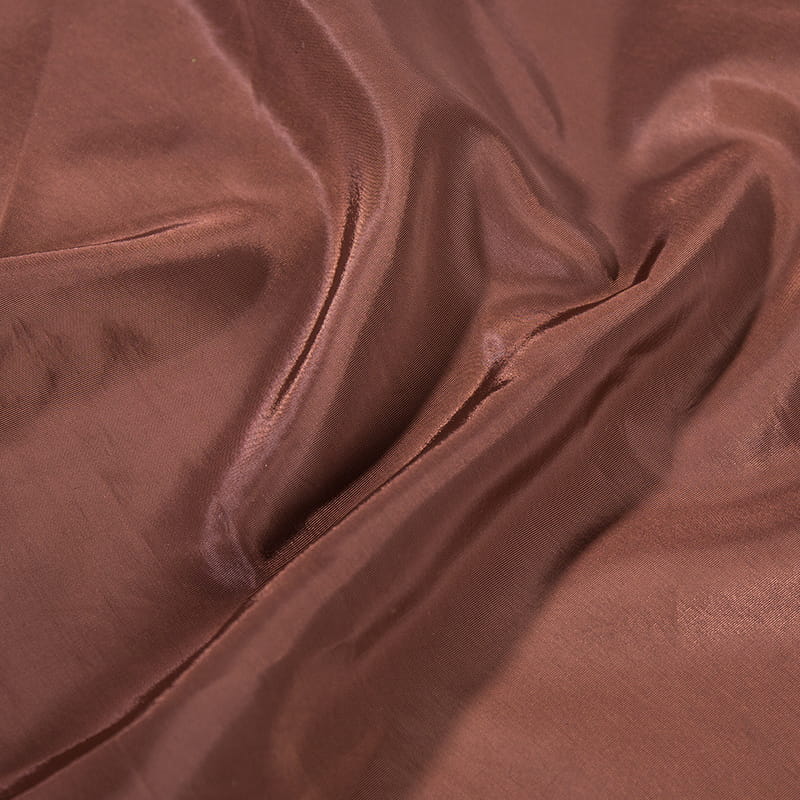
Polyester taffeta fabric is more affordable and durable, making it suitable for bulk production and industrial applications. It can mimic silk's sheen while offering increased resistance to wrinkles, shrinking, and moisture. Polyester is a preferred choice for mass production and lining material.
Shiny vs Matte Taffeta Fabric
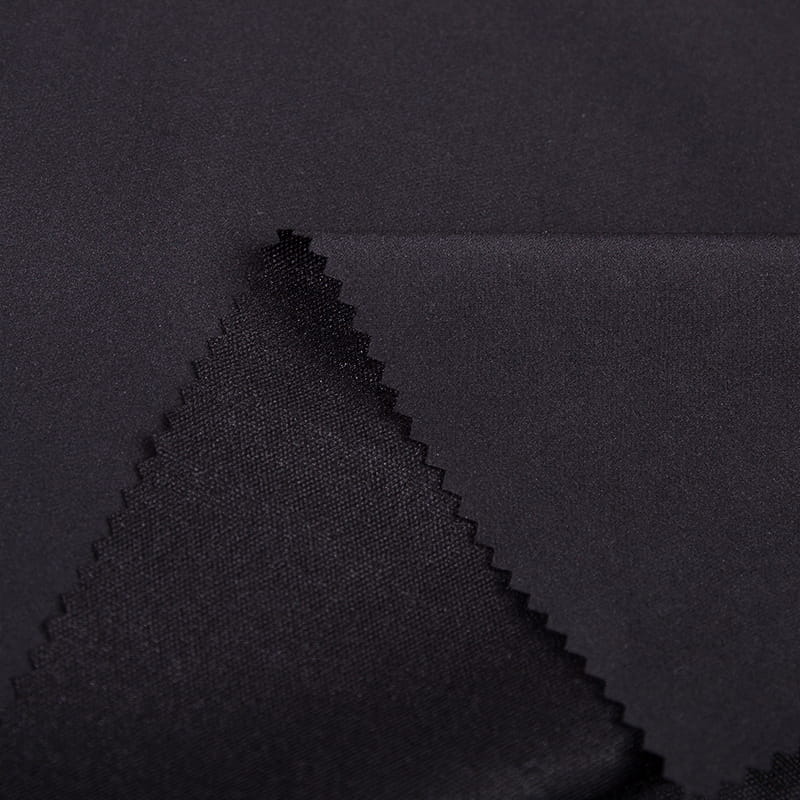
Both shiny and matte taffeta fabric have applications in fashion. Shiny variants are popular in formal wear, while matte types are often used in subtle linings or decorative applications.
Comparison Table: Silk vs Polyester Taffeta Fabric
The following table summarizes key differences between silk and polyester taffeta fabric:
| Property | Silk Taffeta Fabric | Polyester Taffeta Fabric |
| Appearance | Natural sheen, rich colors | Artificial sheen, slightly less vibrant |
| Durability | Moderate, delicate handling required | High, resistant to wear and tear |
| Cost | High | Low to moderate |
| Weight | Lightweight | Varies, slightly heavier |
| Care | Dry clean recommended | Machine washable or dry clean |
Applications of Taffeta Fabric
Taffeta Fabric for Wedding Dresses
Wedding designers favor taffeta fabric for wedding dresses due to its crisp structure, which supports pleats, layers, and intricate silhouettes. It also provides a smooth finish that reflects light beautifully for photography and stage appearances.
Taffeta Fabric for Lining
Lining applications benefit from taffeta fabric for lining because of its lightweight nature and smooth surface, which allows garments to glide over the body comfortably. Polyester taffeta is often chosen for linings in bulk production due to its strength and low cost.
Industrial and Decorative Uses
Beyond fashion, taffeta fabric finds uses in decorative panels, banners, and upholstery. Its ability to hold shape and resist wrinkling makes it a reliable choice for event decorations and technical applications.
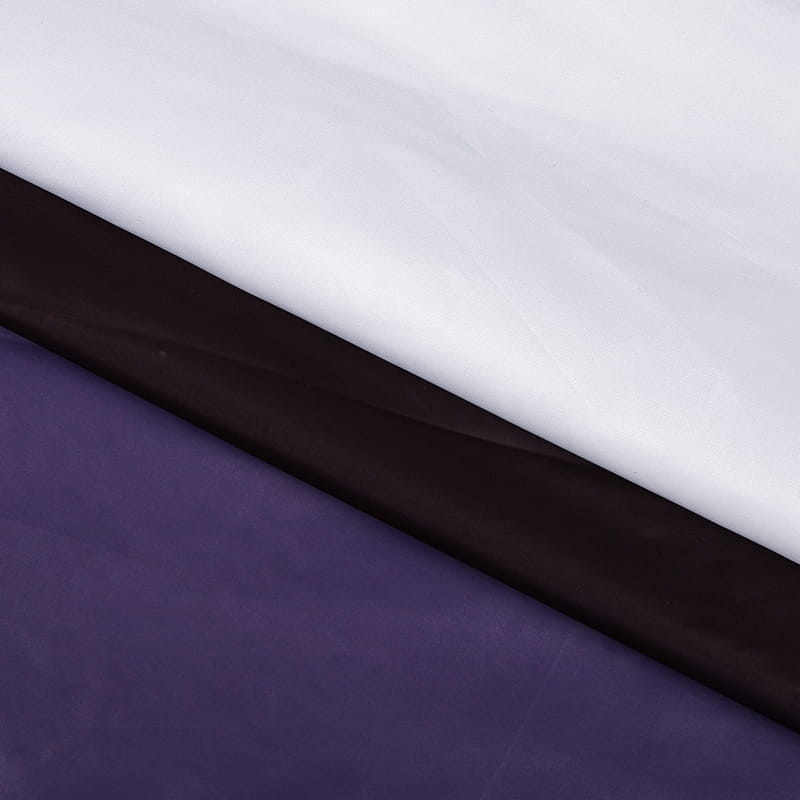
Comparison Table: Applications and Recommended Taffeta Fabric Types
This table links common applications to the ideal type of taffeta fabric:
| Application | Recommended Fabric Type | Advantages |
| Wedding Dresses | Silk taffeta fabric | Luxurious finish, excellent drape |
| Lining | Polyester taffeta fabric | Durable, affordable, smooth surface |
| Decorative Panels | Shiny or matte taffeta fabric | Shape retention, vibrant appearance |
| Industrial Applications | Polyester taffeta fabric | High strength, resistant to wear |
Sourcing and Bulk Purchase of Taffeta Fabric
Silk Taffeta Fabric Wholesale
Wholesale purchasing of silk taffeta fabric requires careful evaluation of thread quality, dye consistency, and width. High-grade silk provides better sheen and longevity, critical for premium fashion markets.
Polyester Taffeta Fabric Bulk
Buying polyester taffeta fabric bulk is cost-effective for lining and mass production. Bulk orders require attention to finishing, texture, and tensile strength to ensure uniform quality across shipments.
Other factors affecting cost and quality include thread density, weaving techniques, and finishing processes. Proper sourcing ensures B2B buyers receive consistent, high-performance material suitable for both fashion and industrial applications.
Quality and Technical Considerations
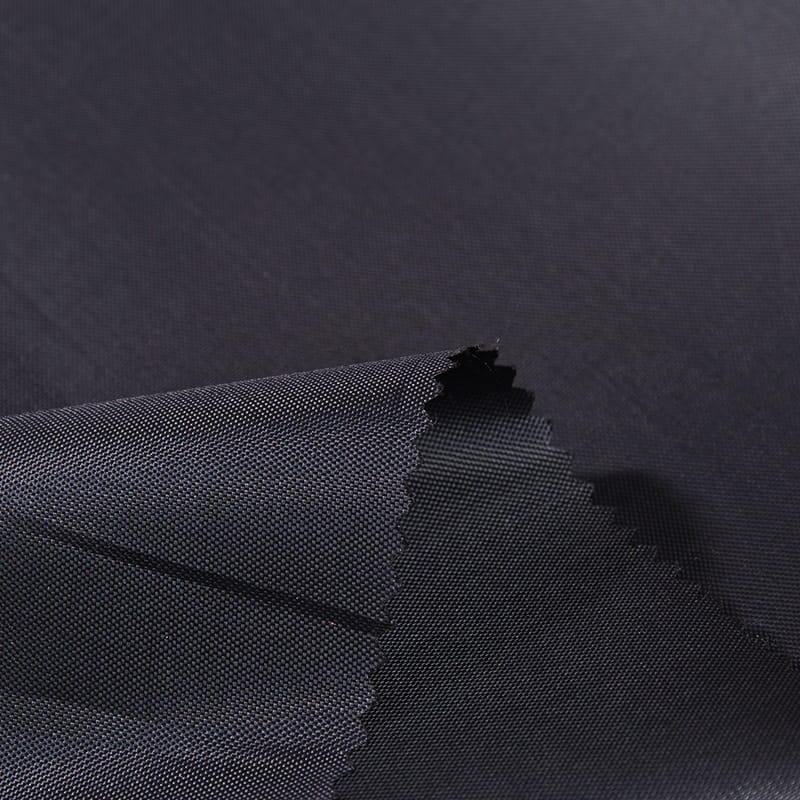
- Taffeta fabric is typically plain-woven with a high thread count for strength and crispness.
- Fabric weight varies, often between 70–150 gsm for silk and 80–180 gsm for polyester, influencing drape and stiffness.
- Durability is tied to fiber type: polyester excels in wear resistance, while silk requires careful handling.
- Finishing techniques like calendering or heat-setting improve luster and texture stability.
Conclusion
Taffeta fabric stands out as a versatile textile for both fashion and industrial markets. Its range from luxurious silk to durable polyester allows manufacturers and designers to select the right variant for wedding dresses, linings, decorations, or technical applications. Understanding fabric types, properties, and sourcing options ensures professional buyers make informed decisions.
FAQ
- Q1: What is the difference between silk and polyester taffeta fabric?
A: Silk taffeta fabric is naturally lustrous and lightweight, ideal for premium garments. Polyester taffeta fabric is stronger, more affordable, and suitable for mass production and lining. - Q2: Can taffeta fabric be used for everyday clothing?
A: While possible, taffeta fabric is stiff and less breathable. It is better suited for formal wear, linings, or decorative items rather than casual clothing. - Q3: How do I source taffeta fabric for lining in bulk?
A: Contact reputable fabric suppliers specializing in polyester taffeta fabric, verify fabric specifications, and request samples for quality checks before bulk purchasing. - Q4: What are the main technical properties to check when buying taffeta fabric?
A: Key properties include fiber type, thread count, weight, luster, tensile strength, and finishing quality. These determine durability, appearance, and suitability for specific applications.
References
- Textile Institute. (2021). Handbook of Fabric Structures: Volume 2. Woodhead Publishing.
- Glock, R. (2020). Textiles for Fashion: The Complete Guide. Bloomsbury Publishing.
- Kadolph, S. (2022). Textiles. Pearson Education.
- Mahajan, P. (2019). Advanced Fabric Technology. Elsevier Science.
- Corbman, B. (2021). Textiles: Fiber to Fabric. McGraw-Hill Education.
Copyright © Jiaxing City Zhouye Textile Co., Ltd. All Rights Reserved.
Custom Jacquard Luggage Fabrics Suppliers
