
 English
 русский
 عربى
عربى Search
Is Oxford Polyester Material the Right Choice for Your Industrial Application?
2026-04-21
Content
Oxford polyester material stands as one of the most versatile synthetic textiles in modern manufacturing. This fabric combines a distinctive basket-weave structure with the inherent durability of polyester fibers, making it indispensable across outdoor gear, industrial covers, and commercial luggage sectors. Understanding its technical specifications and performance characteristics helps procurement teams make informed sourcing decisions.
What Defines Oxford Polyester Material?
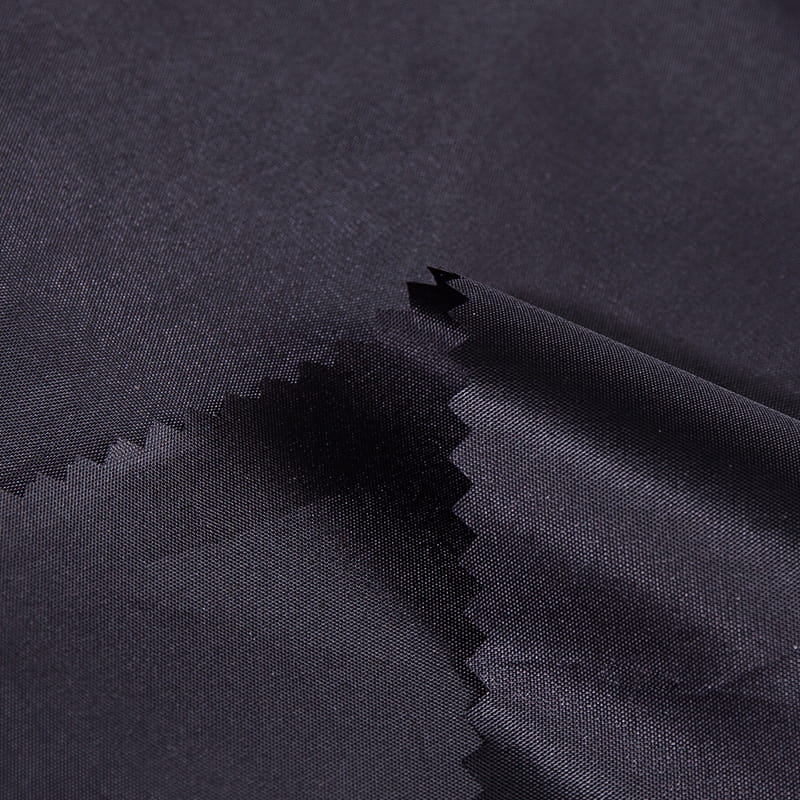
The term "Oxford" refers to a specific weaving pattern where multiple warp threads cross over multiple weft threads, creating a basket-like texture. When combined with polyester fibers, this weave delivers exceptional structural stability. Polyester provides natural resistance to UV degradation, moisture, and chemical exposure—properties that cotton or nylon cannot match in the same price range.
Denier ratings indicate yarn thickness and directly correlate with fabric strength. Common specifications include 210D for lightweight applications, 420D for balanced performance, and 600D for heavy-duty use. Higher denier counts mean thicker individual fibers and greater overall fabric weight.
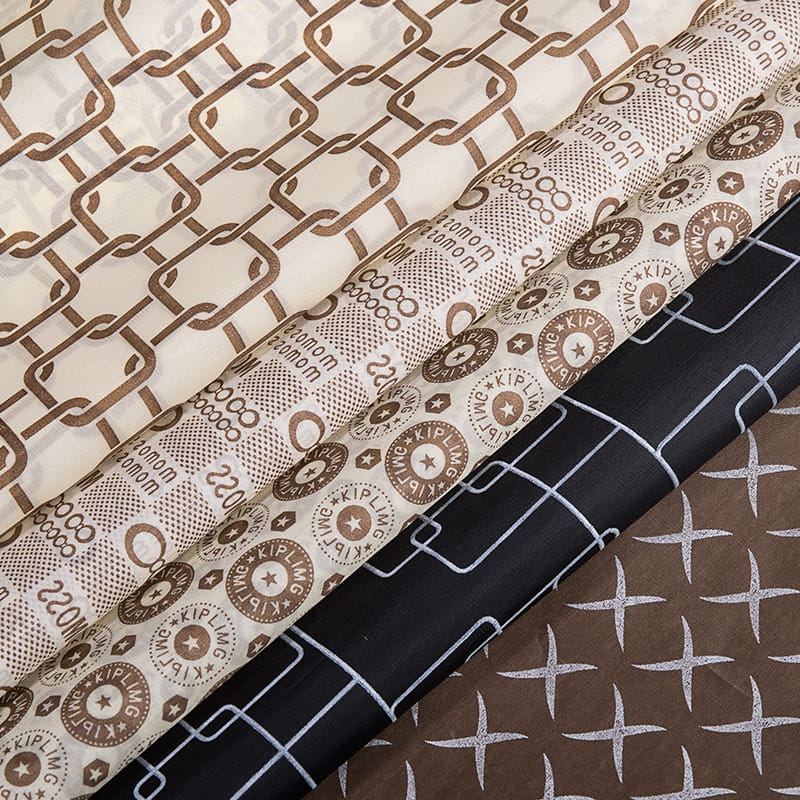
Five Critical Specifications for B2B Buyers
1. Denier Rating and Fabric Weight
Denier measures the linear mass density of fibers in grams per 9,000 meters. 600D Oxford polyester fabric represents the industry standard for backpacks and outdoor equipment, offering optimal strength-to-weight ratios. Fabric weight typically ranges from 180 GSM for lightly coated variants to 550 GSM for heavy PVC-coated versions.
2. Coating Technologies: PU vs PVC
Coatings transform base fabric into functional barriers. Two primary options dominate the market:
- PU coated oxford polyester provides lighter weight (180–230 GSM), softer hand-feel, and excellent water resistance for bags and rainwear
- PVC coated oxford polyester delivers superior waterproofing and abrasion resistance, but adds significant weight (350–550 GSM)
PU coatings remain flexible in cold temperatures, while PVC formulations may stiffen below freezing without proper plasticizer additives.
3. Waterproof Performance Ratings
Water resistance varies by coating type and application method. Standard PU coatings achieve 800–1,500 mm hydrostatic head pressure, sufficient for light rain. Heavy-duty PVC coatings can exceed 3,000 mm, suitable for industrial tarps and marine applications. Seam sealing and tape welding further enhance waterproof integrity.
4. Abrasion and Tear Resistance
The basket-weave structure distributes stress across multiple yarn intersections. 420DOxfordd polyester material offers medium-to-high abrasion resistance, while 600D variants withstand rigorous industrial use. Tear strength increases proportionally with denier count and weave density.
5. UV Stability and Colorfastness
Polyester inherently resists UV degradation better than nylon. However, prolonged sun exposure still causes fading and fiber weakening. UV-stabilized coatings extend service life by 30–50% compared to untreated fabrics. Dark colors generally show better UV resistance than light pigments.
Technical Comparison: Common Denier Specifications
Different applications demand specific fabric grades. The following comparison outlines key differences between standard denier ratings for Oxford polyester material:
| Specification | 210D Oxford | 420D Oxford | 600D Oxford | 1680D Oxford |
| Typical Weight (GSM) | 100–150 | 200–260 | 280–360 | 400–600 |
| Abrasion Resistance | Moderate | Medium-High | High | Exceptional |
| Best Applications | Light bags, linings | Backpacks, rainwear | Luggage, tents, covers | Military gear, tarps |
| Cost Level | Low | Medium | Medium-High | High |
| Coating Compatibility | Limited | Good | Excellent | Excellent |
420D represents the practical midpoint for most commercial applications, offering noticeable durability upgrades over 210D while avoiding the weight and cost penalties of 600D.
Industrial Applications and Performance Requirements
Outdoor Recreation Equipment
Tents, backpacks, and sleeping bags utilize 600D Oxford polyester fabric for outer shells. The material withstands ground abrasion, resists moisture absorption, and maintains structural integrity under load. Silicone or PU coatings enhance water beading properties.
Transportation and Logistics
Truck tarps, cargo covers, and shipping containers require PVC-coated 600D or 1680D variants. These fabrics resist wind uplift, debris impact, and chemical exposure during transit. Reinforced edges with grommets enable secure tie-down configurations.
Marine and Waterfront Applications
Boat covers, dock enclosures, and marine upholstery demand fabrics with mildew resistance and saltwater tolerance. Acrylic-coated Oxford polyester prevents fiber degradation from UV reflection off water surfaces. Quick-drying properties reduce mold growth risks.
Workwear and Safety Equipment
Industrial workwear incorporates flame-retardant treated Oxford polyester for protection against sparks and heat. Anti-static finishes prevent hazardous charge buildup in explosive environments. High-visibility colors meet safety compliance standards.
Procurement Best Practices
Quality verification ensures supplier claims match delivered materials. Request mill test certificates documenting tensile strength, tear resistance, and coating adhesion. Verify compliance with relevant standards such as CPAI-84 for flame resistance or ISO 811 for waterproofing.
Minimum order quantities typically range from 1,000 to 5,000 meters, depending on customization requirements. Lead times extend 15–45 days for standard colors and 30–60 days for custom dye lots. Establish clear specifications for coating weight, fabric width, and roll packaging to prevent receiving discrepancies.
Frequently Asked Questions
What is the difference between PU and PVC coated oxford polyester?
PU coatings provide lighter weight, softer flexibility, and adequate water resistance for consumer bags and apparel. PVC coatings deliver superior waterproofing and abrasion resistance but add weight and stiffness. Cold weather performance favors PU formulations, while industrial applications typically require PVC.
How do I determine the right denier for my product?
210D suits lightweight promotional items and linings. 420D balances durability and weight for standard backpacks and bags. 600D handles heavy-duty luggage and outdoor equipment. 1680D serves military and industrial applications requiring maximum tear resistance. Match the enier to the expected wear conditions and load requirements.
Is Oxford polyester material fully waterproof?
Uncoated Oxford polyester resists water but remains permeable under pressure. PU coatings provide water resistance suitable for rain exposure. PVC coatings achieve full waterproofing for submersion and heavy rain. Seam sealing remains essential for complete waterproof integrity in finished products.
Can Oxford polyester material be recycled?
Polyester fibers are technically recyclable through mechanical or chemical processes. Clean fabric scraps can be processed into new fiber or industrial pellets. However, coated variants require the separation of coating materials before recycling. Some manufacturers now offer Oxford polyester made from recycled PET bottles.
References
- Alibaba Product Insights. (2026). Exploring Polyester Fabric 500d Oxford: Material Grades, Properties, and Uses. https://www.alibaba.com/product-insights/polyester-fabric-500d-oxford.html
- MH-Chine Textile Blog. (2026). Comparing 210d vs 420d vs 600d Oxford Fabric. https://www.mh-chine.com/blog/products/210d-vs-420d-vs-600d-oxford-fabric
- Oxford Fabric Manufacturer. (2025). 210D/300D/420D/600D/900D/1200D/1680D Oxford Fabric: Denier Guide for Buyers. https://www.oxford-fabric.com/210d-300d-420d-600d-900d-1200d-1680d-oxford-fabric-denier-guide-for-buyers/
- Oxford Fabric Manufacturer. (2025). PU Coated vs PVC Coated Oxford Fabric: Differences, Pros/Cons & Best Uses. https://www.oxford-fabric.com/pu-coated-vs-pvc-coated-oxford/
- Szoneier Fabrics. (2026). Oxford Fabric by Denier: 210D vs 420D vs 600D vs 1680D. https://szoneierfabrics.com/oxford-fabric-material-by-denier-210d-420d-600d-and-1680d-explained/
Copyright © Jiaxing City Zhouye Textile Co., Ltd. All Rights Reserved.
Custom Jacquard Luggage Fabrics Suppliers
