
 English
 русский
 عربى
عربى Search
What Do Serious Buyers Need to Know About Oxford Polyester Material?
2026-03-24
Content
- 1 Step 1: Five High-Traffic, Low-Competition Long-Tail Keywords
- 2 Section 1: Fiber and Yarn Engineering in Oxford Polyester Material
- 3 Section 2: Weave Architecture of Oxford Polyester Material
- 4 Section 3: Coating Technology for Oxford Polyester Material with PU Coating
- 5 Section 4: 600D Oxford Polyester Fabric for Bags — Performance Standards and Testing
- 6 Section 5: High Tenacity Oxford Polyester Fabric for Outdoor Gear — Technical Specifications
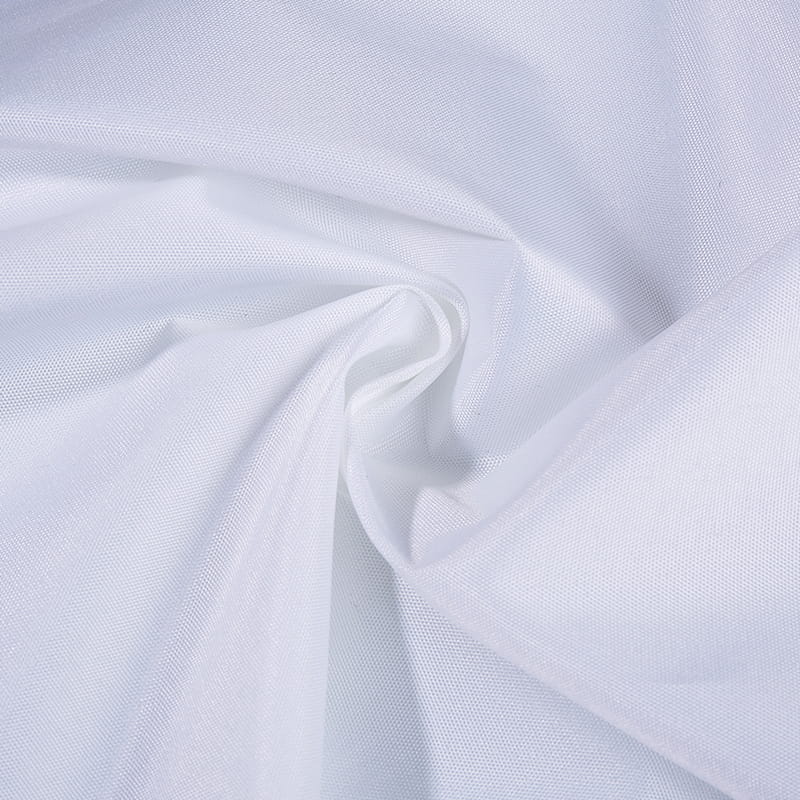
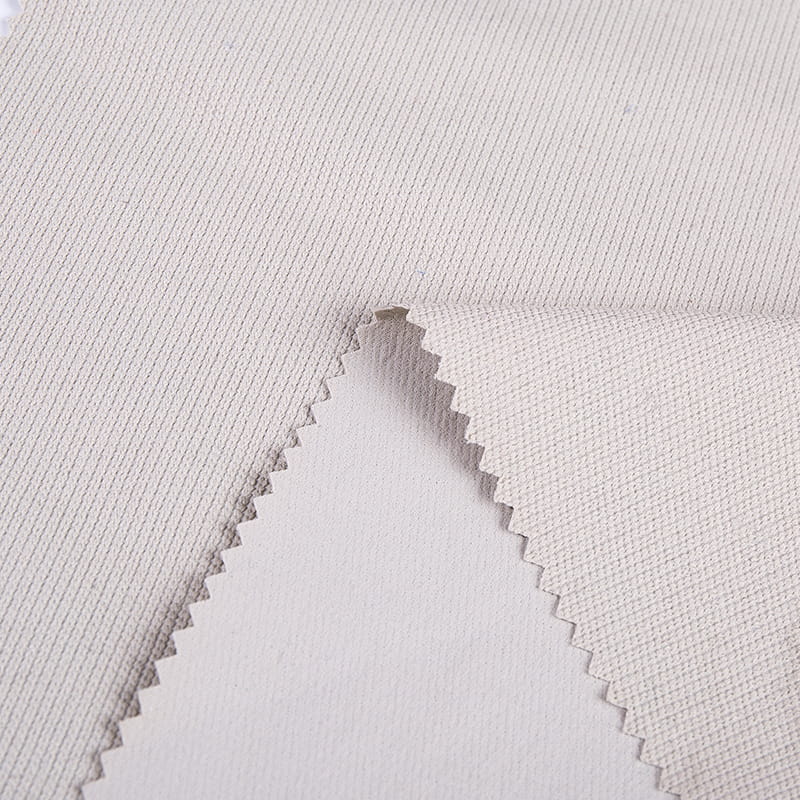
Among the most widely specified technical fabrics in the global textile industry, oxford polyester material serves as a structural foundation for applications spanning luggage and bag manufacturing, outdoor gear and equipment, military and workwear, automotive interiors, and functional apparel. Its combination of high strength-to-weight ratio, dimensional stability, cost efficiency, and extensive coatability makes it one of the most commercially versatile engineered textile platforms available to product developers and sourcing teams worldwide.
Yet the category's apparent simplicity — a polyester woven fabric — conceals substantial technical variation that directly impacts end-product performance, regulatory compliance, and commercial positioning. Denier selection, yarn twist architecture, weave balance, coating chemistry, and finishing protocol all interact to determine whether a given oxford polyester material is fit for purpose in any specific application. This article provides a comprehensive, engineer-level analysis of oxford polyester material across its full technical and commercial dimensions, designed for product engineers, sourcing managers, and B2B buyers who require specification-grade depth to make sound procurement decisions.
Step 1: Five High-Traffic, Low-Competition Long-Tail Keywords
| # | Long-Tail Keyword | Search Intent |
|---|---|---|
| 1 | 600D oxford polyester fabric for bags | B2B bag/luggage manufacturer sourcing |
| 2 | waterproof oxford polyester material wholesale | Outdoor/tent/cover bulk procurement |
| 3 | OEM oxford polyester fabric manufacturer | Private label / custom production sourcing |
| 4 | high tenacity oxford polyester fabric for outdoor gear | Technical specification / performance procurement |
| 5 | oxford polyester material with PU coating | Waterproofing / functional coating specification |
Section 1: Fiber and Yarn Engineering in Oxford Polyester Material
1.1 Polyester Fiber Types and Their Role in Oxford Fabric Performance
The base fiber in any oxford polyester material is polyethylene terephthalate (PET), produced by polycondensation of ethylene glycol and terephthalic acid. However, "polyester" describes a broad family of fiber variants whose physical properties diverge significantly depending on molecular weight, draw ratio, and spinning process — differences that translate directly into fabric performance:
- Regular tenacity polyester (RT-PET): Tenacity 3.5–5.0 cN/dtex, elongation at break 25–45%. Produced by standard melt spinning and drawing. Used in mid-range oxford polyester material for general-purpose bags, luggage linings, and light-duty covers. Cost-effective but insufficient for applications subject to sustained mechanical loading.
- High tenacity polyester (HT-PET): Tenacity 7.0–9.5 cN/dtex, elongation at break 12–20%. Achieved through higher draw ratios during fiber formation, increasing molecular chain orientation and crystallinity. Critical specification for high tenacity oxford polyester fabric for outdoor gear — load-bearing straps, backpack panels, tactical equipment pouches, and tarpaulins. HT-PET oxford typically commands a 15–30% cost premium over RT-PET equivalent denier, justified by 40–80% improvement in tensile and tear strength at equivalent fabric weight.
- Recycled PET (rPET) from post-consumer bottles: Produced by mechanical recycling of PET bottles (flake → chip → fiber), achieving 40–70% lower carbon footprint vs. virgin PET (ISO 14067 LCA basis). Tenacity of rPET fiber is 3.5–5.5 cN/dtex — comparable to RT virgin PET. Certification via Global Recycled Standard (GRS, Textile Exchange) or Recycled Claim Standard (RCS) is required for credible sustainability claims. Growing adoption among outdoor and bag brands with public recycled content commitments.
- Cationic dyeable polyester (CD-PET): Modified with a sulfonate co-monomer enabling dyeing with cationic (basic) dyes at atmospheric pressure rather than high-pressure disperse dyeing. Produces brighter, more saturated colors with better light fastness than standard disperse-dyed polyester in certain colorways. Used in jacquard oxford constructions (where two-tone color effects are achieved by weaving CD-PET and standard PET yarns in the same fabric).
1.2 Denier System and Its Engineering Significance
The denier specification of the yarn used in oxford polyester material is the single most commonly cited parameter in procurement specifications, and also one of the most frequently misunderstood. Denier (D) is the weight in grams of 9,000 meters of yarn — a linear density unit. For multifilament polyester yarn used in oxford fabrics, denier must be read in conjunction with filament count and individual filament fineness to fully characterize yarn structure:
| Yarn Specification | Total Denier | Filament Count | Individual Filament (dpf) | Typical Application in Oxford |
|---|---|---|---|---|
| 150D/48f | 150D | 48 | 3.1 dpf | Lightweight oxford for apparel lining, fashion accessories |
| 300D/96f | 300D | 96 | 3.1 dpf | Light bag fabric, soft-side luggage, lightweight covers |
| 600D/192f | 600D | 192 | 3.1 dpf | Standard bag/luggage fabric — highest volume oxford segment |
| 900D/144f | 900D | 144 | 6.3 dpf | Heavy-duty bags, tool bags, military pouches |
| 1000D/192f (HT) | 1000D | 192 | 5.2 dpf | Tactical gear, heavy tarpaulins, load-bearing outdoor equipment |
| 1680D/288f (HT) | 1680D | 288 | 5.8 dpf | Premium tactical/military, high-cycle luggage shells |
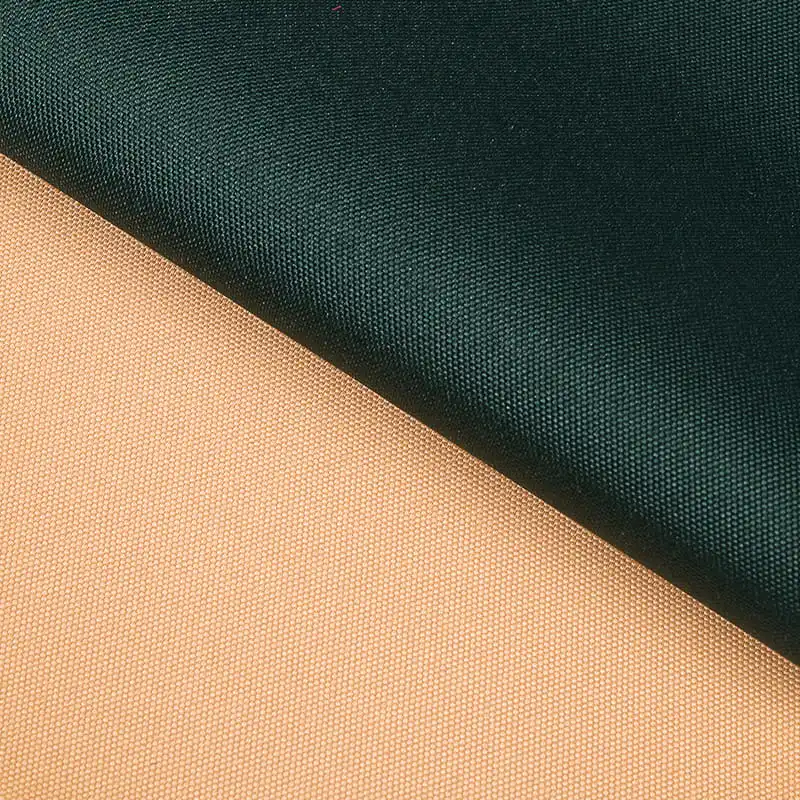
The 600D oxford polyester fabric for bags segment deserves particular attention as the industry's dominant volume specification. At 600 total denier with 192 filaments (3.1 dpf individual filament), this construction balances fabric weight (typically 220–280 g/m² finished), tensile strength (warp: 800–1,200 N/5cm; weft: 700–1,100 N/5cm per ISO 13934-1), tear strength (warp and weft: 35–65 N per ISO 13937-2), and surface aesthetics — producing the characteristic soft luster and moderate stiffness preferred by mainstream bag and luggage manufacturers globally.
1.3 Yarn Twist and Its Effect on Oxford Fabric Properties
Twist level in multifilament polyester yarn — measured in turns per meter (tpm) — significantly affects the mechanical and optical properties of the resulting oxford polyester material:
- Low-twist yarn (50–150 tpm): Filaments remain relatively parallel and spread under weaving tension, producing a flatter, more lustrous fabric surface with higher cover factor. Preferred for applications where surface smoothness and print receptivity are priorities (fashion bags, promotional products, apparel linings).
- Medium-twist yarn (150–400 tpm): Standard specification for most oxford polyester material. Provides adequate filament cohesion for weaving processability while maintaining acceptable surface luster. Twist-related yarn contraction contributes to fabric bulk and improves yarn-to-yarn abrasion resistance at interlacing points.
- High-twist yarn (400–800 tpm — "crepe twist"): Produces a crinkled, lower-luster surface with higher elastic recovery. Used in technical textured oxford fabrics (peach-skin finish oxford, matte oxford) where the twist-induced yarn torque creates surface texture after finishing. The company's 100 twisters enable precise twist level customization across denier ranges — a key capability for producing differentiated oxford polyester material constructions beyond standard catalog specifications.
- Ply twist (two-ply and multi-ply yarns): Two single yarns twisted together in opposite twist direction (S-twist single yarns plied with Z-twist, or vice versa) produce a balanced, dimensionally stable ply yarn. 2-ply constructions at equivalent total denier produce higher tenacity and better abrasion resistance than single-yarn equivalents, at higher yarn cost. Used in premium high tenacity oxford polyester fabric for outdoor gear constructions where maximum mechanical performance is specified.
Section 2: Weave Architecture of Oxford Polyester Material
2.1 The Oxford Weave: Structural Definition and Variants
The term "oxford" in textile engineering refers specifically to a basket weave variant in which two (or more) warp threads interlace together with one weft thread (or two weft threads), creating a characteristic checkerboard surface texture with a softer, more flexible hand than plain weave at equivalent yarn count and fabric weight. The standard oxford weave is a 2×1 basket weave; premium variants include 2×2 (equal basket), 4×4 (larger basket repeat), and military-specification ripstop constructions where a reinforcing grid is introduced at defined intervals:
- 2×1 Oxford (standard): Two warp ends weave together as one unit with each individual weft pick. Produces a fabric with approximately 30% lower bending rigidity (Kawabata KES-F measurement) than equivalent-weight plain weave, contributing to the characteristically soft drape of oxford bags and covers. Cover factor (proportion of fabric surface covered by yarn vs. void space) is lower than plain weave at equivalent sett — improving air permeability at the cost of slightly reduced liquid barrier performance in uncoated constructions.
- 2×2 Oxford (basket weave): Two warp ends weave together with two weft picks. Creates a more pronounced checkerboard texture, increased fabric thickness, and higher drape flexibility vs. 2×1 oxford at equivalent yarn count. Preferred in premium bag constructions and in some outdoor furniture textile applications where visual texture is a design requirement.
- Ripstop Oxford: A modified oxford construction incorporating a periodic reinforcing grid (typically at 5–10 mm intervals) of heavier-denier or higher-tenacity yarns woven into the base fabric. The reinforcing grid arrests tear propagation — the characteristic "ripstop" performance — by containing any initiated tear within the grid cell rather than allowing it to propagate across the full fabric width. Per MIL-PRF-44436 (US military ripstop specification), tear resistance improvement vs. plain oxford at equivalent weight: 150–400%. Critical specification for technical outdoor gear, military equipment, and safety-critical covers where tear propagation resistance is a failure mode of concern.
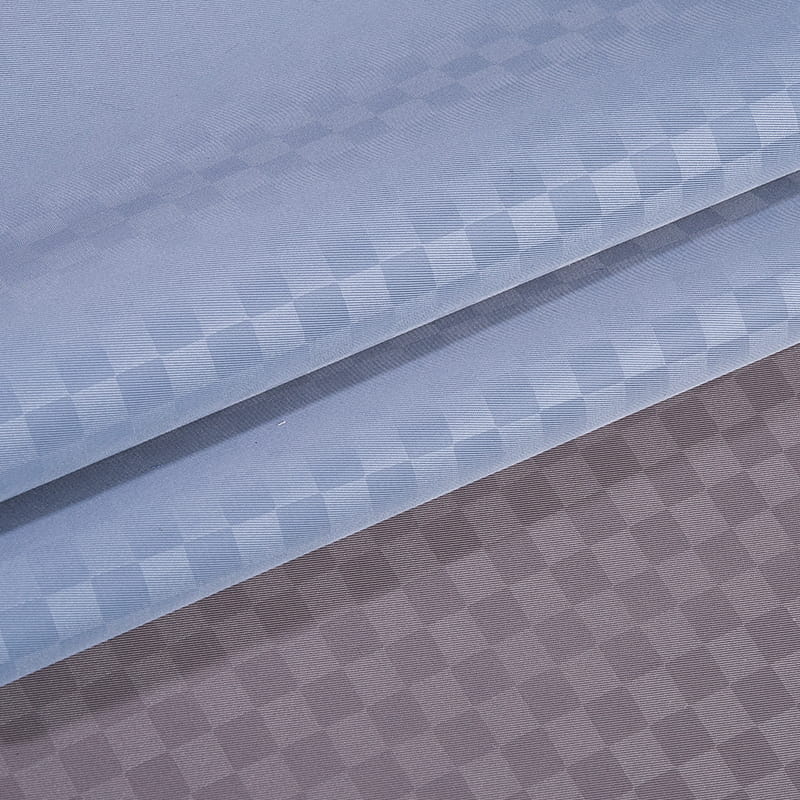
- Jacquard Oxford: Complex pattern constructions woven on jacquard looms, enabling large-repeat geometric or pictorial designs within the oxford structure. Jacquard oxford is the primary construction for premium luggage shell fabrics where surface pattern differentiation supports brand identity — a key product category for manufacturers with jacquard capability alongside standard water jet production.
2.2 Water Jet Weaving Technology and Its Production Implications
The production of oxford polyester material at scale is dominated by water jet weaving technology — the same platform used across the 300 water jet looms in this manufacturer's production base. Water jet looms use a pressurized water jet to propel the weft yarn across the warp shed, enabling weft insertion speeds of 400–800 m/min (vs. 200–400 m/min for rapier looms and 800–1,200 m/min for air jet looms on fine fabrics). For polyester oxford — where the hydrophobic fiber surface is unaffected by water jet propulsion — this technology offers an optimal combination of:
- Production speed: A 300-loom water jet mill operating at 550 m/min average weft insertion speed on 600D oxford at 190 cm reed width can produce approximately 4,500–5,500 linear meters of fabric per loom per day, representing total mill output of 1.35–1.65 million linear meters per day — enabling the production scale required for large-volume B2B supply contracts without lead time risk.
- Fabric quality: Water jet propulsion produces uniform weft tension across the full fabric width, contributing to consistent pick density (weft yarn count per cm) and therefore consistent fabric weight, tensile strength, and dimensional properties. Warp tension control on modern water jet looms (electronic let-off and take-up systems) maintains warp tension variation below ±2% across the weaving run — critical for lot-to-lot specification consistency.
- Yarn compatibility: Water jet weaving is optimally suited for smooth multifilament synthetic yarns (polyester, nylon) and unsuitable for hydrophilic yarns (cotton, wool, viscose) that absorb water and lose tensile integrity during propulsion. This makes it the dominant technology for oxford polyester material and polyester/nylon blend oxford constructions.
- Energy efficiency: Water jet looms consume 30–40% less energy per meter of fabric produced vs. rapier looms at equivalent fabric weight, contributing to lower production cost and reduced carbon intensity per unit output — relevant for supply chain carbon accounting under Scope 3 frameworks.
Section 3: Coating Technology for Oxford Polyester Material with PU Coating
3.1 Coating Chemistry: PU, PA, and Silicone Systems
The functional performance profile of most commercial oxford polyester material is determined as much by its coating system as by its base fabric construction. Coating transforms an open-weave textile substrate into a functional barrier material with controlled liquid repellency, specified hydrostatic head resistance, enhanced UV stability, and modified surface properties:
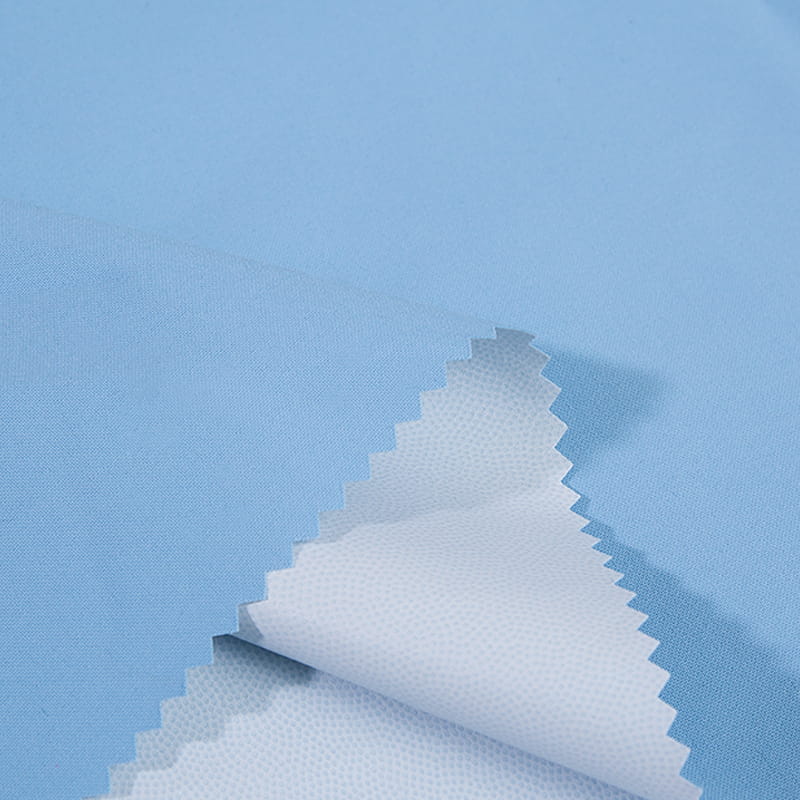
- Polyurethane (PU) coating — solvent-based: Applied as a knife-over-roll or knife-over-air coating of PU dissolved in DMF (dimethylformamide) or MEK solvent. After application, the coated fabric passes through a coagulation bath (water) that causes the PU to precipitate into a microporous film — a process called wet coagulation or "phase inversion." This microporous PU coating provides hydrostatic head resistance (typically 800–3,000 mm H₂O per ISO 811 at standard coat weight of 40–80 g/m²) while retaining moisture vapor permeability (MVP: 2,000–5,000 g/m²/24hr per ISO 15496). The standard coating specification for oxford polyester material with PU coating in mainstream bag and outdoor cover applications. DMF is a restricted substance under REACH Annex XVII (max 0.1% residual in consumer articles) — PU-coated fabrics for EU/US markets must carry DMF-free certification.
- Polyurethane (PU) coating — water-based: Aqueous PU dispersion applied by knife-over-roll or pad-mangle. No solvent residue concern, enabling REACH and Oeko-Tex 100 compliance without additional extraction/washing steps. Hydrostatic head: 500–2,000 mm H₂O at equivalent coat weight — slightly lower than solvent-PU due to less uniform film formation. The preferred system for waterproof oxford polyester material wholesale production targeting EU/US markets where solvent residue restrictions apply.
- Polyacrylic (PA / Acrylic) coating: Lower-cost alternative to PU. Applied as aqueous acrylic polymer dispersion. Hydrostatic head: 300–1,000 mm H₂O at standard coat weight. Reduced flexibility at low temperatures (glass transition temperature Tg typically −10°C to +5°C for standard acrylic systems) causes coating cracking in cold weather applications — a critical limitation for outdoor gear and equipment used in sub-zero environments. Suitable for promotional bags, lightweight covers, and indoor furniture textile applications where low-temperature flexibility is not a performance requirement.
- Silicone coating: Polydimethylsiloxane (PDMS) applied by knife-over-roll or transfer coating. Exceptional low-temperature flexibility (serviceable to −60°C), superior UV resistance (silicone Si-O backbone has much higher UV resistance than organic polymer backbones), and outstanding chemical resistance. Used in premium technical outdoor fabrics (silnylon equivalent in polyester), medical and pharmaceutical equipment covers, and high-temperature-range outdoor applications. Cost premium 60–120% vs. PU equivalent. Silicone-coated fabrics cannot be heat-sealed (no thermoplastic bonding possible) — seam waterproofing requires taped or bonded seams with silicone-compatible adhesive.
- TPU (thermoplastic polyurethane) laminate: Pre-formed TPU film laminated to the base oxford fabric by heat and pressure (calendering or flat-bed lamination) without adhesive chemistry. Enables fully waterproof seam taping (hot-air weld tape adheres to TPU surface), excellent durability, and full recyclability (no adhesive contamination of recycling stream). Hydrostatic head: 5,000–20,000+ mm H₂O depending on TPU film thickness (25–100 µm). Used in premium outdoor gear (backpacks, dry bags, protective cases) and in workwear where full waterproofing at seams is a safety requirement.
3.2 DWR (Durable Water Repellency) Finishing
Coating provides waterproof barrier performance, but DWR (Durable Water Repellency) finishing is applied separately to create the water-beading surface behavior — water droplets bead and roll off the fabric surface rather than wetting and migrating through the coating. DWR chemistry evolution is one of the most active areas in functional textile development due to regulatory pressure on fluorocarbon-based systems:
- PFOA/PFOS-based C8 fluorocarbon DWR: Legacy technology, now prohibited under REACH Annex XVII (PFOA restriction effective 2020; PFOS restriction since 2008). Not compliant for products sold in EU, and increasingly restricted in US and other markets. No longer used by responsible manufacturers supplying international markets.
- C6 fluorocarbon DWR: Short-chain fluorocarbon (perfluorobutane sulfonic acid — PFBS family). Significantly lower bioaccumulation vs. C8 but still classified as PFAS (per- and polyfluoroalkyl substances). Subject to EU universal PFAS restriction proposal (ECHA, 2023) which, if adopted, would restrict all PFAS including C6 in textile applications. Risk: supply chain compliance liability within 3–7 year horizon.
- PFAS-free DWR (fluorine-free alternatives): Wax-based, dendrimer-based, or polymer-based fluorine-free DWR. Current performance gap vs. C6: initial DWR performance comparable (spray rating ≥80/90 per ISO 4920 initial wash); durability after repeated washing inferior by 20–35% (spray rating after 20× ISO 6330 laundering cycles). Bluesign-approved and Oeko-Tex MADE IN GREEN compatible. Mandatory for brands with PFAS-free procurement commitments (Patagonia, Arc'teryx, and many others). The standard choice for all new waterproof oxford polyester material development targeting sustainability-committed global brands.
3.3 Hydrostatic Head Testing and Waterproofness Classification
Hydrostatic head (HH) — the height of a water column that a coated fabric can sustain without leakage, measured per ISO 811 — is the primary specification parameter for waterproof oxford polyester material wholesale procurement. Industry classification:
| HH Classification | Typical HH Range (mm H₂O) | Applicable Applications | Typical Coating System |
|---|---|---|---|
| Water resistant | 300–800 mm | Light covers, promotional bags, fashion accessories | Acrylic or light PU |
| Waterproof (standard) | 800–3,000 mm | Day bags, luggage, outdoor covers, light tents | PU coating (water-based or solvent) |
| Highly waterproof | 3,000–10,000 mm | Technical outdoor packs, dry bags, equipment cases | Heavy PU, TPU laminate |
| Extreme waterproof | >10,000 mm | Military equipment, survival gear, marine applications | TPU laminate, silicone, multi-layer composite |
Section 4: 600D Oxford Polyester Fabric for Bags — Performance Standards and Testing
4.1 Mechanical Performance Requirements for Bag Fabric
A 600D oxford polyester fabric for bags destined for commercial bag production must meet defined performance thresholds across multiple mechanical parameters, verified by standardized test methods. The following represents industry-standard minimum acceptable values for mainstream bag fabric applications:
- Tensile strength (ISO 13934-1, grab method): Warp direction ≥800 N/5cm; weft direction ≥700 N/5cm. Premium specification for school bags and travel luggage: warp ≥1,000 N/5cm; weft ≥900 N/5cm. Tensile failure in bag fabric typically occurs at strap attachment points and zipper interface seams — construction design must account for stress concentration factors of 1.5–3.0× at these points.
- Tear strength (ISO 13937-2, trouser tear method): Warp and weft ≥35 N for standard 600D; ≥50 N for premium specification. Tear resistance is particularly critical at pocket openings, handle attachment zones, and zipper pull areas where stress concentrations are highest during dynamic loading (bag swinging, drop impact).
- Abrasion resistance (ISO 12947-2, Martindale method): Minimum 20,000 Martindale cycles at Grade 3 surface change for standard bag application; minimum 30,000 cycles for high-wear applications (bottom panel of backpacks, handle reinforcement zones). Abrasion resistance of oxford polyester material is primarily determined by individual filament diameter (dpf) — coarser filaments (higher dpf) resist abrasion better than fine filaments at equivalent total denier.
- Seam strength (ISO 13935-2, seam slippage): Minimum 250 N at 6 mm seam opening for standard bag construction; minimum 350 N for load-bearing main compartment seams. Seam slippage is governed by the coefficient of friction between warp and weft yarns at interlacing points — oxford weave's lower interlacing frequency vs. plain weave slightly reduces seam slippage resistance, compensated by higher-count thread specifications at critical seam locations in garment construction.
- Colorfastness to rubbing (ISO 105-X12, crock test): Minimum Grade 3 dry crockmeter; minimum Grade 2–3 wet crockmeter. Disperse dye migration in polyester is temperature-dependent — fabrics used in vehicle interiors or outdoor equipment exposed to solar heating must be evaluated for "thermal migration" of dye to adjacent light-colored materials at 60–80°C.
- UV resistance (ISO 105-B02, xenon arc): For outdoor applications, minimum Grade 4 color fastness to light after 40 hours xenon arc exposure. Polyester fiber has inherently better UV resistance than nylon (PA6/PA66) — PET aromatic ring structure provides greater UV absorption without chain scission vs. aliphatic nylon backbone — but UV stabilizer addition (HALS — hindered amine light stabilizer — added to polyester chip at 0.1–0.3%) is recommended for applications with sustained outdoor exposure exceeding 500 hours.
4.2 Chemical Safety Compliance for International Market Access
Oxford polyester material sold into EU, US, and Japanese markets must comply with a comprehensive set of chemical safety regulations. Key requirements for 600D oxford polyester fabric for bags:
- REACH Regulation (EC) No 1907/2006, Annex XVII: Restricts DMF (residual solvent from PU coating) to <0.1% in consumer articles; restricts certain azo dyes that cleave to release carcinogenic aromatic amines (list of 22 restricted amines per Annex XVII, Entry 43); restricts nickel in metal fittings contacting skin. Test per EN ISO 14362-1 for restricted aromatic amines.
- REACH SVHC (Substances of Very High Concern) candidate list: Over 240 substances currently on the SVHC candidate list (updated biannually by ECHA) must be declared if present above 0.1% w/w in any article. For oxford polyester material, relevant SVHCs include PFAS compounds (DWR finishing residuals), certain plasticizers (DEHP, DBP in PU coating formulations), and antimony trioxide (polyester polymerization catalyst — typically present at 200–400 ppm in standard PET; below SVHC threshold of 0.1%).
- Oeko-Tex Standard 100: Comprehensive testing for pH (4.0–7.5 for direct skin contact textiles), formaldehyde (<75 ppm for direct skin contact), heavy metals (Pb, Cd, Cr⁶⁺, Hg — limits per Oeko-Tex 100 Table 2), pesticide residues, and PFAS. Certificate renewal required annually. Widely demanded by EU and US retailers as minimum chemical safety evidence for supplier qualification.
- California Proposition 65 (US): Requires warning labels for products sold in California containing chemicals listed as known carcinogens or reproductive toxicants above safe harbor thresholds. Relevant for oxford polyester material: antimony (Sb, catalyst residual in PET — safe harbor 0.4 µg/day exposure); certain disperse dyes; formaldehyde from finishing agents.
- Japan Law for Control of Household Products Containing Harmful Substances: Restricts specific chemicals in household goods sold in Japan, including formaldehyde limits stricter than EU Oeko-Tex (<75 ppm for items contacting skin in EU; direct contact items in Japan require formaldehyde-free or below detection limit for baby products).
Section 5: High Tenacity Oxford Polyester Fabric for Outdoor Gear — Technical Specifications
5.1 Military and Tactical Specification Standards
The premium tier of high tenacity oxford polyester fabric for outdoor gear must meet performance standards derived from military and defense procurement specifications — the technical benchmark for maximum performance in field conditions. Key reference standards:
- MIL-DTL-44436 (US DoD — Cloth, Nylon/Polyester, Packcloth and Ripstop): Specifies minimum tensile strength (warp and weft ≥2,224 N/5cm for 1000D ballistic nylon equivalent), tear strength (≥135 N, trouser method), hydrostatic resistance (≥2,070 mm H₂O after 25× laundering), and UV resistance (≥80% tensile retention after 100-hour UV exposure). Products claiming military-grade specification should be verified against this standard.
- Cordura® brand specification (Invista): Cordura is a trademarked high-tenacity nylon and polyester fabric brand specifying minimum yarn tenacity (HT nylon 6.6 or HT polyester), weave construction, and performance thresholds. While not universally required, "Cordura-equivalent" performance is a commonly used informal benchmark for premium high tenacity oxford polyester fabric for outdoor gear. Genuine Cordura fabric requires Invista authorization and carries the Cordura hangtag.
- EN ISO 14116 (Limited flame spread): For workwear and PPE applications, oxford fabric used in protective garments must meet flame spread requirements. Inherent flame resistance in polyester is limited (LOI ~20–22%); FR treatment via back-coating or fiber-level modification (adding halogen-free FR additive such as phosphorus compounds to PET chip) can achieve EN ISO 14116 Index 3 compliance (no flame spread, no melting/dripping) while maintaining mechanical performance.
5.2 Structural Efficiency: Strength-to-Weight Optimization
For outdoor gear and technical pack applications, the key engineering metric is not absolute strength but strength-to-weight ratio — enabling the specification of the lightest possible fabric that meets minimum performance thresholds:
- 1000D HT polyester oxford: Tensile strength warp/weft: 1,800–2,400 N/5cm; fabric weight: 380–450 g/m²; strength-to-weight ratio: ~4.8 N·m²/g·5cm. Standard specification for heavy-duty backpack panels, military field packs, and tool bags requiring maximum durability at moderate weight.
- 500D HT polyester oxford: Tensile strength: 1,000–1,400 N/5cm; weight: 200–250 g/m²; strength-to-weight ratio: ~5.0 N·m²/g·5cm. Slightly better efficiency than 1000D at lower absolute strength. Preferred for lightweight technical day packs and ultralight outdoor equipment where weight savings are prioritized.
- 210D HT ripstop oxford: Tensile strength: 450–700 N/5cm; weight: 75–120 g/m²; tear strength enhanced by reinforcing ripstop grid. Optimal strength-to-weight for ultralight applications (bivouac shelters, stuff sacks, lightweight dry bags). Typically used in conjunction with TPU or silicone coating for full waterproofing.

Copyright © Jiaxing City Zhouye Textile Co., Ltd. All Rights Reserved.
Custom Jacquard Luggage Fabrics Suppliers
