
 English
 русский
 عربى
عربى Search
What Is Taffeta Fabric?
2026-03-17
Content
- 1 Why Is Taffeta a Versatile Fabric Choice?
- 2 How to Select the Right Taffeta for Your Application?
- 3 Who Provides High-Quality, Customizable Taffeta Fabrics?
- 4 Conclusion: How to Choose the Perfect Taffeta Fabric for Your Project?
- 5 Frequently Asked Questions (FAQ)
- 5.1 1. What is the main difference between nylon taffeta and polyester taffeta?
- 5.2 2. Can silk taffeta fabric for wedding dresses be cleaned?
- 5.3 3. Is eco friendly recycled taffeta fabric as durable as regular taffeta?
- 5.4 4. What does "water jet loom" mean for fabric production?
- 5.5 5. Can I get crinkled taffeta fabric for evening gowns in custom colors?
- 6 References
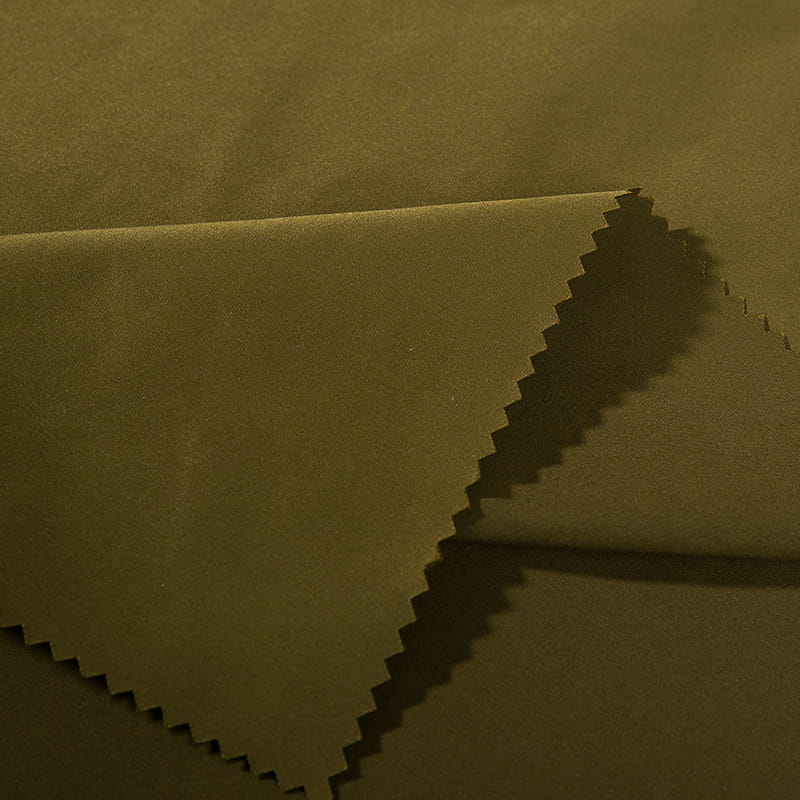
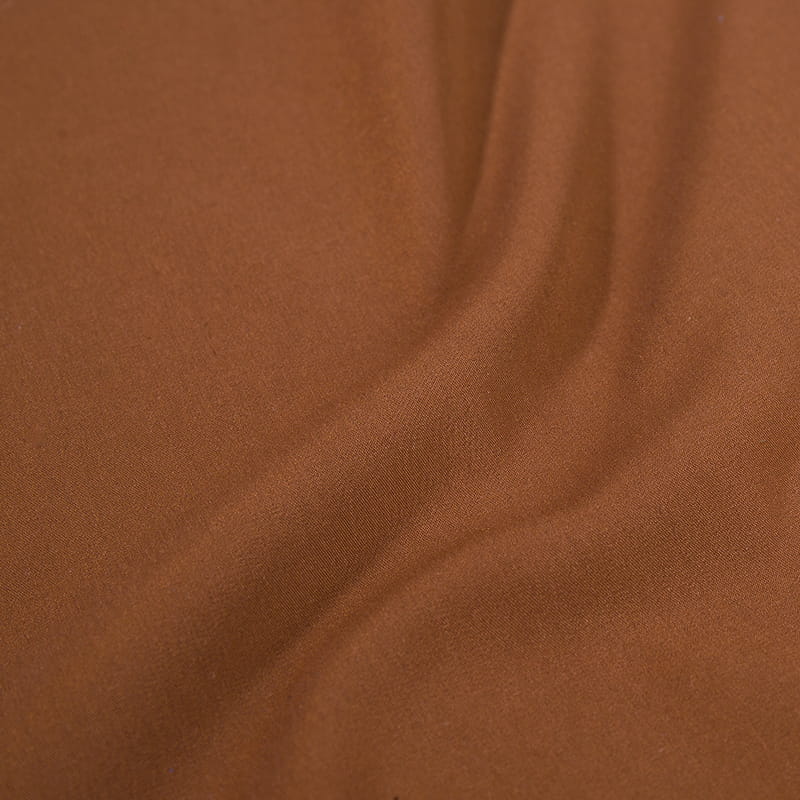
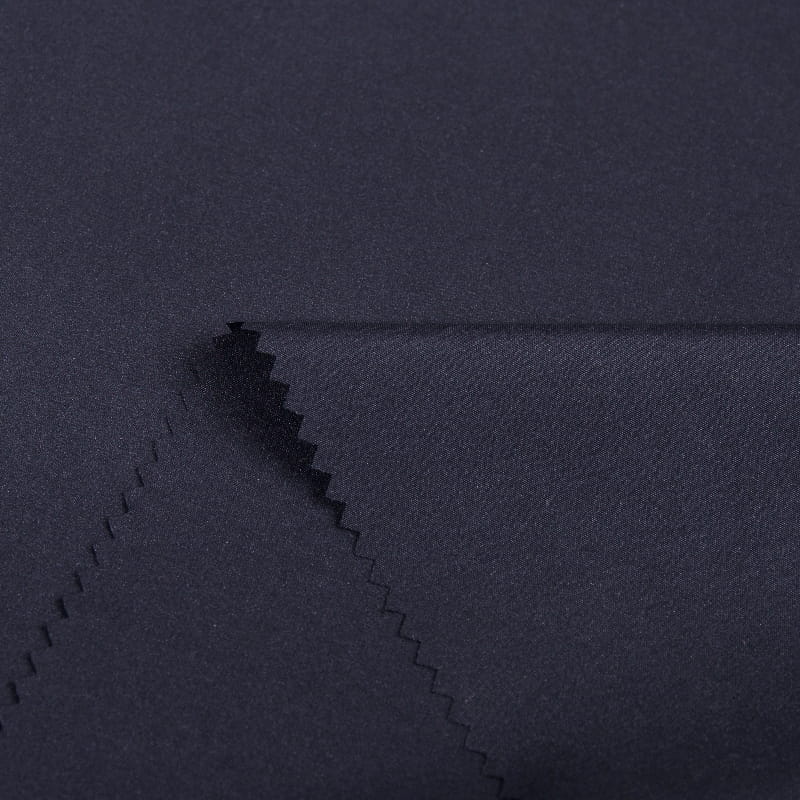
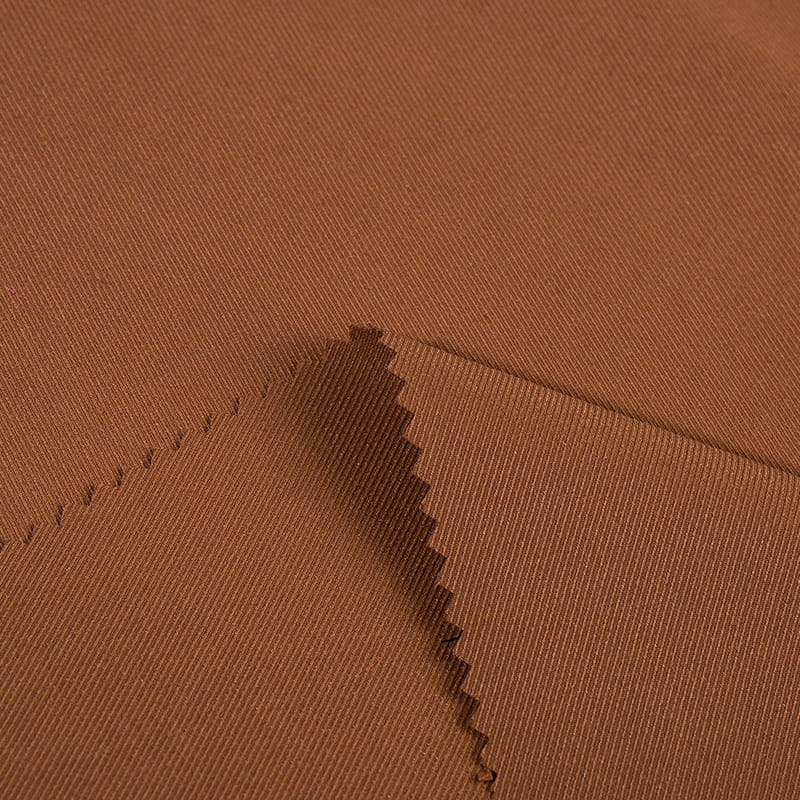
Taffeta fabric is a crisp, smooth, plain-woven textile known for its characteristic sheen and rustling sound, often called "scroop." It is made from various fibers, including silk, polyester, and nylon. The fabric's structure is created by weaving the warp and weft threads in a simple over-one-under-one pattern, but with a higher thread count than standard plain weaves, giving it its distinctive body and luster. For fashion designers, garment manufacturers, and textile buyers, understanding the different types of taffeta—from luxurious silk to functional nylon—is essential for selecting the right material for applications ranging from bridal wear to outdoor gear. This article provides a detailed technical guide to taffeta fabric and its many variations.
Why Is Taffeta a Versatile Fabric Choice?
The versatility of taffeta stems from its adaptability to different fiber types and finishes. It can be woven from natural fibers like silk for a luxurious, high-end drape, or from synthetic fibers like polyester and nylon for durability, water resistance, and affordability. Its smooth surface accepts prints and coatings well, and its inherent crispness makes it ideal for garments that require structure and volume, such as ball gowns and petticoats, as well as for lightweight, packable items like rain jackets.
What Makes Nylon Taffeta Fabric for Lining Waterproof Ideal for Outerwear?
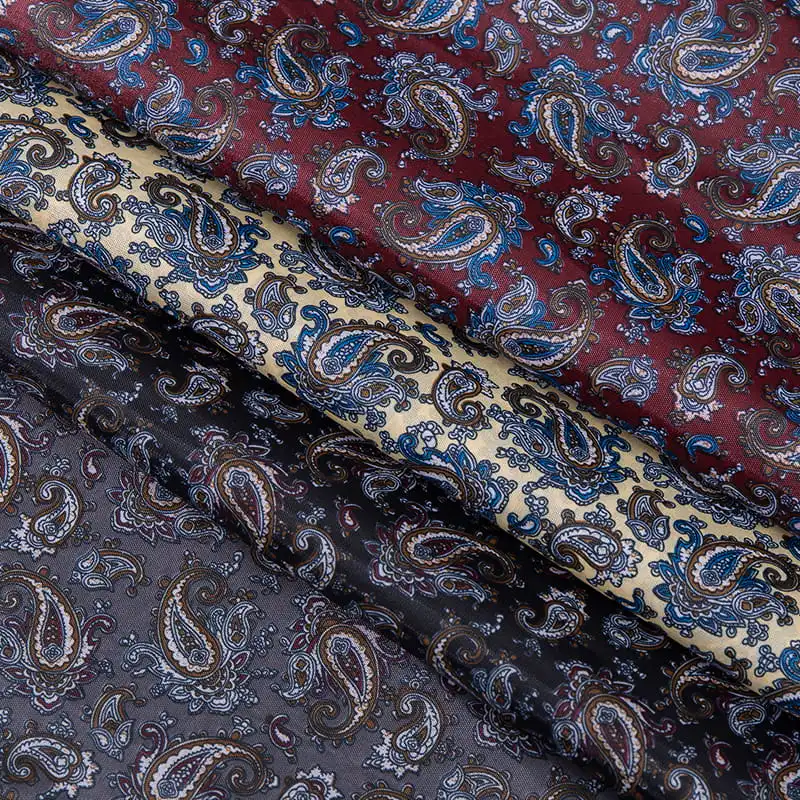
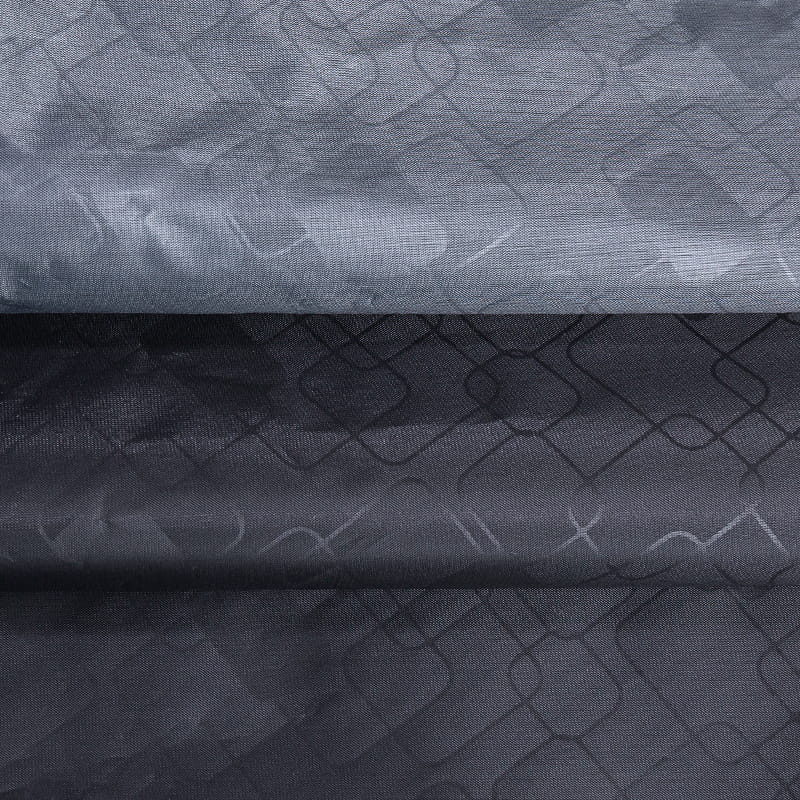
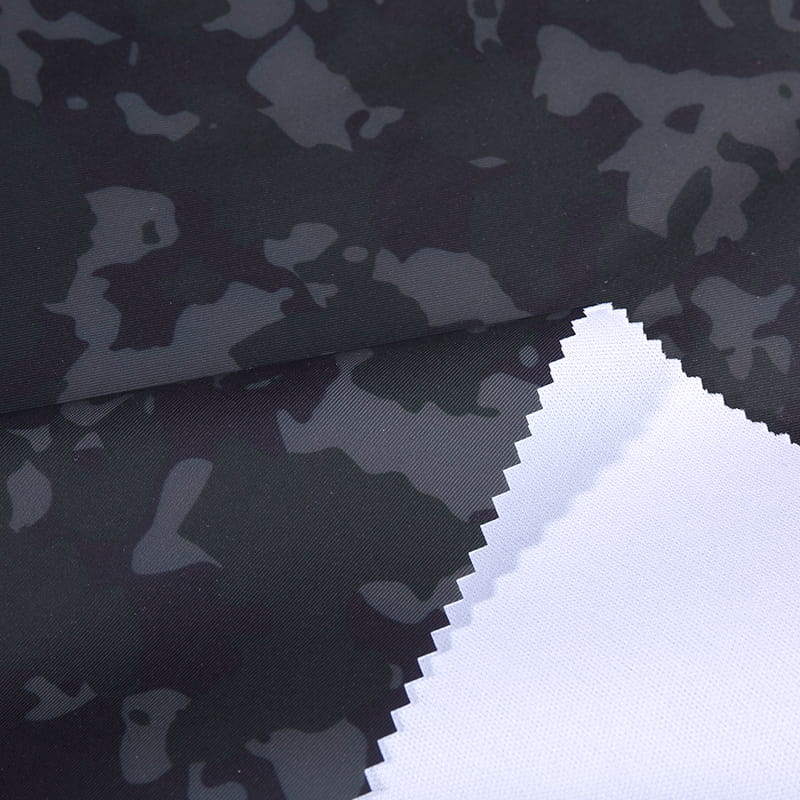
Nylon taffeta fabric for lining waterproof is a highly engineered textile designed for performance outerwear. Nylon fibers are inherently strong, lightweight, and have a low moisture absorption rate. When woven into a taffeta structure, the result is a fabric that is smooth, slippery, and very durable. For it to function as a waterproof lining, the fabric typically undergoes a finishing process. This often includes a coating on the reverse side, such as acrylic or polyurethane (PU), which makes the fabric impermeable to water. This coated nylon taffeta is used as a lining in rainwear, ski jackets, and outdoor shells. It allows the outer garment to slide on and off easily, and its waterproof coating prevents moisture from penetrating through the lining to the wearer's clothing. Engineers specifying this fabric look for specifications like hydrostatic head rating (a measure of waterproofness) and the durability of the coating.
The Elegance of Silk Taffeta Fabric for Wedding Dresses
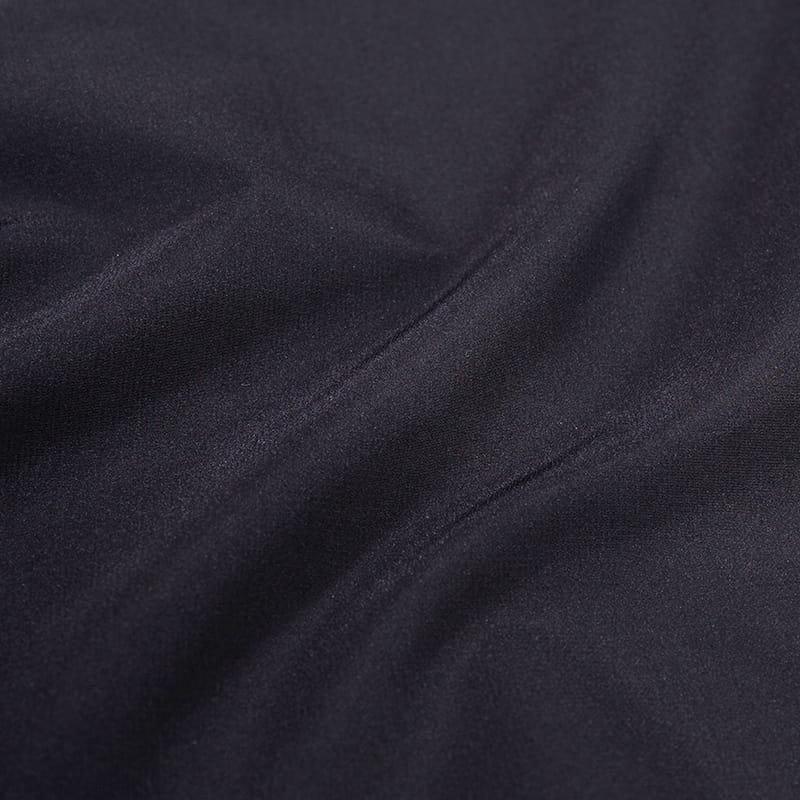
Silk taffeta fabric for wedding dresses represents the pinnacle of luxury for bridal wear. Made from 100% silk fibers, this fabric has a depth of color and a luminous sheen that cannot be replicated by synthetics. Its natural "scroop" or rustle adds to the sensory experience of the garment. Silk taffeta is prized for its ability to hold shape. It provides the structure for ball gown silhouettes, creating crisp lines and dramatic volume without the need for excessive petticoats. However, it requires expert handling. Silk taffeta is delicate and can show water spots or crease permanently if not handled properly. For designers, selecting the highest grade of silk taffeta, often with a high momme weight (a unit for silk fabric density), ensures the fabric has the body and durability required for a wedding dress that must last through a long day and be preserved as a keepsake.
How to Select the Right Taffeta for Your Application?
Selecting the correct taffeta involves matching the fiber type and finish to the garment's intended use, from structural undergarments to sustainable fashion statements.
Polyester Taffeta Fabric for Petticoats: Structure and Stiffness
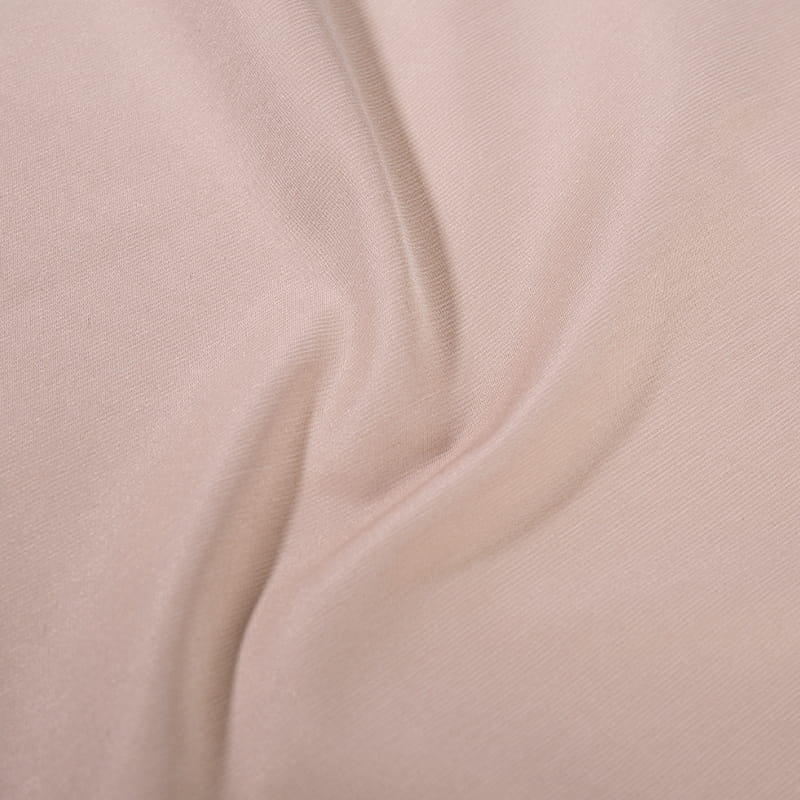
Polyester taffeta fabric for petticoats is chosen for its excellent ability to provide volume and hold its shape. Petticoats are undergarments designed to give skirts and dresses a fuller silhouette. The fabric needs to be stiff enough to stand out from the body but lightweight enough to be comfortable. Polyester taffeta fits this requirement perfectly. It is often finished with a permanent stiffening treatment that maintains its structure through multiple washes. Compared to nylon, polyester taffeta for this application is typically less slippery and has a slightly crisper hand. It can also be found in a wide range of colors to match or contrast with the outer skirt. The fabric's affordability compared to silk also makes it the practical choice for volume-intensive garments.
Sustainability Meets Performance: Eco Friendly Recycled Taffeta Fabric
Eco friendly recycled taffeta fabric addresses the growing market demand for sustainable textiles without compromising on performance. This fabric is typically manufactured from post-consumer waste, such as recycled plastic bottles (rPET), or post-industrial waste from nylon production. The recycled polymers are processed into new fibers, which are then woven into a taffeta construction. The resulting fabric retains many of the desirable properties of virgin synthetic taffeta, including durability, lightweight feel, and a smooth surface. It can also be coated or finished for water resistance, making it suitable for linings and outerwear. For brands with strong environmental, social, and governance (ESG) goals, specifying recycled taffeta reduces their carbon footprint and supports a circular economy. Certifications like the Global Recycled Standard (GRS) provide verification of the recycled content.
The Unique Texture of Crinkled Taffeta Fabric for Evening Gowns
Crinkled taffeta fabric for evening gowns offers a unique textural dimension that diffuses light and adds visual interest. Unlike smooth taffeta, crinkled taffeta is created by subjecting the fabric to a heat-setting process that introduces permanent puckers or creases. This can be done in specific patterns (like plissé) or randomly for a more organic look. The crinkled texture has practical benefits as well. It makes the fabric more forgiving and easier to fit than smooth taffeta, as the texture can disguise minor fitting issues. It is also less prone to showing wrinkles from wear. For evening wear designers, crinkled taffeta provides the same luxurious sheen and body as traditional taffeta but with a modern, tactile surface that catches the light beautifully. The table below compares key taffeta types for different applications.
| Fabric Type | Primary Fiber | Key Performance Attributes | Typical Applications | B2B Buying Consideration |
|---|---|---|---|---|
| Nylon Taffeta Fabric for Lining Waterproof | Nylon | Waterproof coating, lightweight, durable, slippery | Rain jacket linings, ski wear, outdoor shells | Hydrostatic head rating, coating adhesion |
| Silk Taffeta Fabric for Wedding Dresses | Silk | Luxurious sheen, crisp hand, holds shape, "scroop" | Bridal gowns, special occasion dresses, corsetry | Momme weight, width, dye lot consistency |
| Polyester Taffeta Fabric for Petticoats | Polyester | Stiff, lightweight, colorfast, affordable | Petticoats, underskirts, costume construction | Stiffness finish durability, fabric weight (gsm) |
| Eco Friendly Recycled Taffeta Fabric | rPET or recycled Nylon | Sustainable, similar properties to virgin synthetics | Eco-conscious fashion, linings, activewear | Recycled content certification (e.g., GRS) |
| Crinkled Taffeta Fabric for Evening Gowns | Polyester or Silk | Textured surface, forgiving fit, light diffusion | Evening gowns, cocktail dresses, blouses | Pattern repeat (if any), texture permanence |
Who Provides High-Quality, Customizable Taffeta Fabrics?
For brands seeking a reliable manufacturing partner, a factory with deep experience and modern equipment is essential. Our company is a family-owned plant operating for over 20 years, primarily focused on the production of clothes fabrics. As China OEM/ODM Clothes Fabrics Manufacturers and Custom Clothes Fabrics Exporters, we specialize in polyester and nylon fabrics and linings for outdoor functional clothing lines, women's silk lines, jacquard luggage fabrics, and outdoor goods. We now operate 300 self-owned water jet looms and 100 matching twisters. This in-house capacity allows us to maintain strict quality control over every stage of production, from twisting the yarns to the final weaving. At the same time, we also accept custom orders from foreign customers, offering flexibility in fiber type, weight, width, and finishing. We welcome you to visit our factory in China to discuss your specific requirements for taffeta or any other woven fabric.
Conclusion: How to Choose the Perfect Taffeta Fabric for Your Project?
Choosing the perfect taffeta fabric requires a clear understanding of your project's end-use and desired aesthetics. For high-performance outerwear and linings that must resist water, specify nylon taffeta fabric for lining waterproof. For a luxurious, timeless bridal gown, invest in silk taffeta fabric for wedding dresses. To create volume and structure in skirts, select polyester taffeta fabric for petticoats. For a brand committed to sustainability, eco friendly recycled taffeta fabric offers performance with a lower environmental impact. And for a modern, textural take on evening wear, crinkled taffeta fabric for evening gowns provides a unique aesthetic. By partnering with an experienced, vertically integrated manufacturer, you can source high-quality taffeta tailored to your exact specifications.
Frequently Asked Questions (FAQ)
1. What is the main difference between nylon taffeta and polyester taffeta?
Nylon taffeta is generally stronger, more abrasion-resistant, and has a softer, silkier hand. It is the preferred choice for high-performance outdoor gear and waterproof linings. Polyester taffeta is more UV-resistant, colorfast, and less expensive. It is commonly used for linings in garments that will see a lot of sun and for applications like petticoats where stiffness and color range are important.
2. Can silk taffeta fabric for wedding dresses be cleaned?
Silk taffeta is a delicate fabric. It is almost always recommended to be professionally dry cleaned. Water can cause permanent water spotting, and home washing will ruin its crisp texture and sheen. Always consult a professional cleaner experienced with silk and bridal wear.
3. Is eco friendly recycled taffeta fabric as durable as regular taffeta?
Yes, recycled taffeta made from rPET (recycled polyethylene terephthalate) or recycled nylon exhibits very similar durability, tensile strength, and abrasion resistance to virgin synthetic taffeta. The recycling process produces high-quality polymer chips that are extruded into new fibers, retaining most of the original material's performance characteristics.
4. What does "water jet loom" mean for fabric production?
A water jet loom uses a high-pressure jet of water to carry the weft yarn across the width of the fabric. This method is highly efficient and allows for very high weaving speeds. It is particularly well-suited for weaving synthetic fibers like nylon and polyester, as the water helps to cool the yarn and reduce static electricity, resulting in a high-quality, consistent fabric.
5. Can I get crinkled taffeta fabric for evening gowns in custom colors?
Yes, as a custom fabric manufacturer, we can produce crinkled taffeta in a wide range of custom colors. The process typically involves dyeing the fabric first and then applying the crinkling texture through a heat-setting process. Minimum order quantities (MOQs) will apply for custom colors, so it is best to discuss your specific color and volume requirements with our team.
References
- American Society for Testing and Materials. (2022). ASTM D3775 - Standard Test Method for End (Warp) and Pick (Filling) Count of Woven Fabrics.
- International Organization for Standardization. (2021). ISO 105-C06:2010 Textiles — Tests for colour fastness — Part C06: Colour fastness to domestic and commercial laundering.
- Textile Exchange. (2023). Global Recycled Standard (GRS) Version 4.0.
- British Standards Institution. (2020). BS EN ISO 13934-1:2013 Textiles. Tensile properties of fabrics. Determination of maximum force and elongation at maximum force using the strip method.
- Silk Association of America. (2022). Silk Terminology and Quality Standards.
- ASTM International. (2021). ASTM D3393 - Standard Specification for Coated Fabrics—Waterproofness.
Copyright © Jiaxing City Zhouye Textile Co., Ltd. All Rights Reserved.
Custom Jacquard Luggage Fabrics Suppliers
