
 English
 русский
 عربى
عربى Search
What to Know About Dobby Polyester Fabric: Uses, Benefits and Care
2025-12-05
Content
- 1 Understanding Dobby Polyester Fabric
- 2 Key Benefits of Lightweight Dobby Polyester Fabric for Clothing
- 3 Durable Dobby Weave Polyester for Upholstery and Home Textiles
- 4 How to Choose Dobby Polyester Fabric: What to Check Before Buying
- 5 Care and Maintenance: How to Extend the Lifespan of Polyester Dobby Weave
- 6
- 7 FAQ
- 7.1 What makes lightweight dobby polyester fabric good for summer garments?
- 7.2 Can dobby polyester fabric be used for upholstery or heavy-use home textiles?
- 7.3 How should I wash and care for garments made from dobby polyester weave?
- 7.4 Is dobby polyester better than plain polyester for home décor applications?
Understanding Dobby Polyester Fabric
What is "dobby weave” and why polyester matters
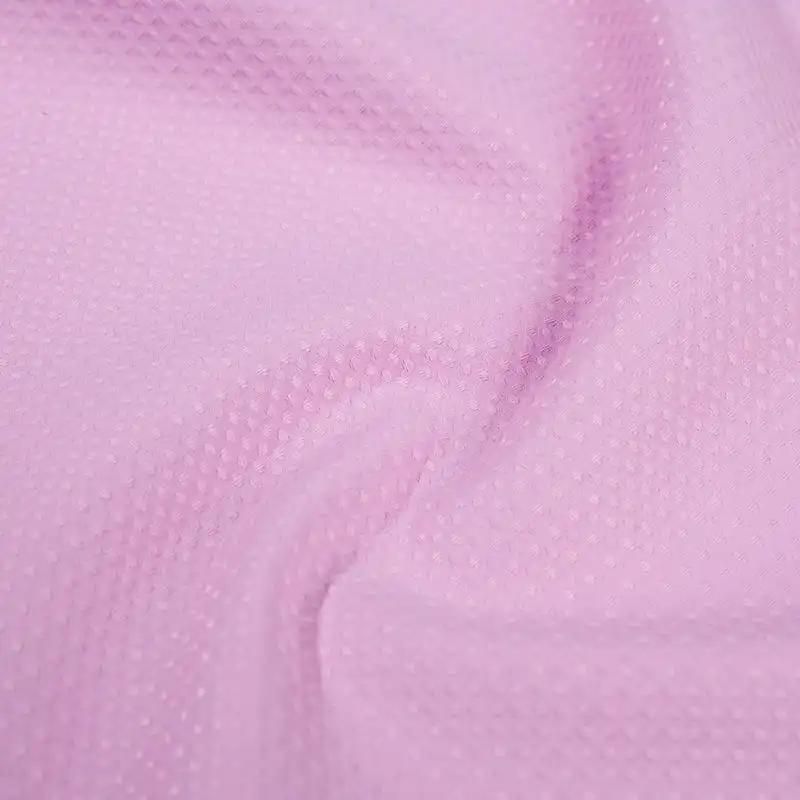
The term dobby weave refers to a weaving technique that produces small, repeated geometric patterns woven directly into the fabric — such as diamonds, honeycomb, or subtle dots — rather than being printed on the surface. When these patterns are woven using synthetic fibers, particularly polyester, the result is dobby polyester fabric: a material that combines the structural elegance of dobby weave with the durability and practicality of polyester. Polyester dobby tends to deliver better wrinkle resistance, easier care, and stronger performance compared with natural-fiber variants, making it a versatile choice across clothing, upholstery, and home textiles. :contentReference[oaicite:1]{index=1}
- The dobby loom follows a weaving pattern that raises and lowers warp threads in small groups to create textured geometric designs.
- Because polyester fibers are synthetic and often stronger than natural fibers, dobby polyester fabric tends to be more durable and resistant to wear.
- The weave’s texture — subtle but intricate — gives the fabric a refined look and feel, which distinguishes it from plain polyester cloth.
How is Dobby Polyester Fabric made and what patterns to expect
Manufacturing of dobby polyester fabric uses a specialized dobby loom, which controls warp threads (groups or individually depending on loom sophistication) to produce small repeated patterns as the weft yarn is woven. Modern dobby looms — mechanical or electronic — allow for accurate, repeatable designs.As a result, dobby polyester fabric often features subtle textures: geometric shapes like dots, stripes, diamonds, or honeycomb — patterns that add depth and sophistication without overwhelming the fabric’s basic color or structure.
- Common pattern styles include small geometric motifs (dots, diamonds), micro‑stripes, or minimalistic textures.
- Because the pattern is woven, not printed, the texture tends to be long‑lasting and resistant to fading or wear.
- The fabric weight and yarn count can vary, affecting final hand‑feel, drape, and use scenarios (from lightweight apparel to heavier upholstery).
Key Benefits of Lightweight Dobby Polyester Fabric for Clothing
Breathability, comfort and drape (including for summer garments)
When dobby weave is executed with relatively fine yarns and lighter construction, lightweight dobby polyester fabric for clothing becomes a compelling option for garments — especially when comfort, drape, and texture matter. The weave structure gives the fabric a subtle textured feel and visually richer surface compared to plain polyester fabric. At the same time, the synthetic polyester fiber ensures durability and easy maintenance. For those looking to produce summer‑appropriate garments or fashion pieces that combine elegance with practicality, lightweight dobby polyester fabric offers a balance of breathability (compared to heavy synthetics), softness, and graceful drape — making shirts, dresses, or blouses feel good on the skin while maintaining a refined look.
- Subtle texture adds visual depth to garments, making them look more premium than plain weaves.
- Lightweight construction ensures decent drape and flow — garments hang and move naturally.
- Polyester fiber ensures the clothing stays lightweight, resists wrinkles, and holds shape.
Wrinkle resistance and easy maintenance
One of the standout advantages of dobby polyester fabric over many natural-fiber dobby fabrics is its low‑maintenance nature. Because polyester inherently resists wrinkles and holds its shape well, dobby polyester garments and textiles can remain neat and smooth with minimal ironing or care effort. This makes them particularly attractive for everyday wear, travel clothing, or workwear. For users who prioritize convenience without sacrificing look or texture, dobby polyester meets that balance nicely.
- Wrinkle resistance reduces the need for frequent ironing or special care. :contentReference[oaicite:15]{index=15}
- The woven texture tends to hide minor creases or signs of wear better than smooth fabrics. :contentReference[oaicite:16]{index=16}
- Durability of polyester ensures long usage life for garments made from dobby polyester. :contentReference[oaicite:17]{index=17}
Durable Dobby Weave Polyester for Upholstery and Home Textiles
Why dobby weave adds strength
For applications beyond clothing — such as home décor, upholstery, curtains, or cushions — durable dobby weave polyester upholstery fabric offers meaningful advantages. The dobby weave gives the fabric a structured weave that, combined with synthetic polyester strength, results in enhanced durability, abrasion resistance, and resistance to deformation. Because the pattern is woven (not printed), the texture and integrity remain even after repeated use, washing or exposure to light. This makes dobby polyester fabric a versatile candidate for heavy-use scenarios where both aesthetic appeal and long-term performance matter.
- The weave’s interlacement offers reinforcement beyond plain weaves — more resistant to wear and tear.
- Polyester’s synthetic fibers hold up well under stress, resisting stretching, fading, or degradation.
- Because the pattern is woven, surface textures don’t wear off — maintaining consistent look over time.
Suitable use cases: curtains, upholstery, cushions, décor
Thanks to the combined benefits of strength, texture, and ease of care, dobby polyester fabric finds ideal applications in home textiles and décor. Curtains, upholstery for chairs or sofas, cushion covers, decorative pillows, table linens — all benefit from the textured elegance of dobby weave along with polyester’s resilience. For designers and manufacturers, this means they can offer products that look sophisticated, while being durable, easy to maintain, and long-lasting — a compelling value proposition for consumers.
- Curtains and drapes: textured patterns add depth to room décor without heavy bulk.
- Sofa and chair upholstery: robust weave + polyester durability suits regular use.
- Pillows, cushions, table linens: texture gives visual interest; polyester eases maintenance.
How to Choose Dobby Polyester Fabric: What to Check Before Buying
Evaluating weight, weave tightness, and weave pattern (light vs heavy)
When selecting a dobby polyester fabric, it’s important to match the material’s specification with intended use. For clothing — especially lightweight garments — you want a lighter weave with fine yarns and moderate pattern texture. For upholstery or heavy-use textiles, a tighter weave, heavier fabric weight, and denser polyester yarn will ensure durability and longevity. Checking specifications (if provided) — yarn count, weave density, and finish — helps to avoid buying a fabric that looks right but performs poorly. Taking time at this selection stage can prevent issues like sagging upholstery or overly stiff garments.
- Light‑weight dobby polyester — good for garments: soft drape, comfortable wear, breathability.
- Medium or heavy‑weight dobby polyester — suitable for upholstery, curtains, décor textiles.
- Check weave tightness / density to assess durability; looser weaves may pill or wear out faster.
Matching the fabric to intended use (clothing vs home décor vs upholstery)
Choosing the right dobby polyester fabric isn’t just about the fiber and weave — it’s about aligning fabric properties with the intended use. If you need a garment with flow, comfort and subtle texture — opt for lightweight dobby polyester. For home décor, where durability, texture visibility, and resistance to wear are priorities — choose heavier-weight dobby weave polyester. Considering end-use ensures that you get the balance between aesthetics, comfort, and longevity, rather than just picking based on appearance.
- For shirts, dresses, light blouses: prioritize breathability, drape, lighter weight.
- For curtains, cushions, upholstery: prioritize weave density, durability, ease of maintenance.
- For mixed‑use (e.g. tote bags, light outerwear): consider mid‑weight dobby polyester for strength without too much stiffness.
Care and Maintenance: How to Extend the Lifespan of Polyester Dobby Weave
Washing, drying and ironing recommendations
One major advantage of polyester dobby weave fabric is that — unlike some delicate natural textile — it is generally easy to care for. When handled properly, you can keep its texture, shape and appearance over long-term use. It’s usually safe to wash in gentle or normal machine cycles (depending on weave density and manufacturer instructions), ideally with cold or lukewarm water. Air‑drying is recommended to preserve fabric integrity; if machine drying is necessary, choose low heat. When ironing, use moderate heat and iron on the reverse side to avoid flattening the woven texture. This care approach helps maintain both the durability and the visual qualities of the dobby weave.
- Use gentle or normal wash cycles; avoid harsh detergents or bleach.
- Air‑dry when possible; if tumble‑drying, use low heat.
- Iron on reverse side with medium heat to protect texture.
- Store in a cool, dry place to avoid mildew or fabric degradation.
What to avoid (heat, harsh detergents, etc.)
Even though polyester dobby is more forgiving than many delicate fabrics, improper care can still degrade its performance and appearance over time. High heat during washing or drying can distort the weave or cause shrinkage; strong detergents or bleaching agents may damage fibers or fade colors; ironing at too high a temperature can flatten the raised dobby texture, ruining the subtle patterns that give the fabric character. To ensure longevity, it’s best to treat dobby polyester with the same care you’d afford a quality garment or textile: gentle washing, low heat drying, and careful ironing.
- Avoid hot water washes — cold or lukewarm is safer.
- Do not use bleach or harsh chemical detergents.
- Avoid high-heat drying or ironing, which can damage texture or shape.
- Store in a cool, dry place when not in use to prevent mildew or deformation.
FAQ
What makes lightweight dobby polyester fabric good for summer garments?
Lightweight dobby polyester fabric combines the advantages of the dobby weave — subtle texture and elegant appearance — with polyester’s inherent properties: low weight, quick drying, and wrinkle resistance. Because the weave can be relatively airy (depending on yarn count and density), the fabric may offer reasonable breathability and drape, which makes it suitable for summer dresses, shirts, or blouses. When chosen carefully (appropriate yarn count and weave density), the fabric can balance comfort and style for warm-weather wear.
Can dobby polyester fabric be used for upholstery or heavy-use home textiles?
Yes — dobby polyester weave is often an excellent choice for upholstery, curtains, cushions, and other home textiles. The weave’s structure adds strength and resistance to wear, while polyester fibers enhance durability, resistance to stretching or fading, and ease of maintenance. For upholstery or décor, selecting a heavier-weight dobby polyester with dense weave ensures the fabric holds up under regular use.
How should I wash and care for garments made from dobby polyester weave?
Generally speaking, garments made from dobby polyester can be machine‑washed on gentle or normal cycles using cold or lukewarm water. Preferably air‑dry to preserve shape and texture; if using a dryer, set to low heat. Iron on the reverse (inside) with medium heat to avoid flattening the woven texture. Avoid bleach or harsh detergents. This care will help maintain both the integrity of the weave and the appearance of the fabric over time.
Is dobby polyester better than plain polyester for home décor applications?
In many cases — yes. Compared to plain‑woven polyester, dobby weave adds texture, visual depth, and structural complexity, which can make home textiles (like curtains, sofa covers, cushions) look more refined and premium. The weave also tends to enhance durability because of the interlaced pattern structure, and the woven designs are long‑lasting (not printed), which resists fading or wear. For anyone wanting both aesthetics and practicality, dobby polyester is a superior choice over plain weave polyester.
Copyright © Jiaxing City Zhouye Textile Co., Ltd. All Rights Reserved.
Custom Jacquard Luggage Fabrics Suppliers
